What is a Fractional CFO and How Fintech Businesses Can Use Them?
Fractional CFO for fintech: what they do and when to hire one
A fintech company runs two businesses at once. It is a technology startup that spends cash to grow, and it is often a regulated financial firm that must hold capital, protect customer money and report to regulators. Most finance teams are built for one of those jobs. A fractional CFO with fintech experience covers both without the cost of a full-time hire.
This guide explains what a fractional CFO does for a fintech, how the job changes by type of fintech, and when to bring one in.
Fractional CFO basics
A fractional CFO is a senior finance executive who works part-time, often for several companies. If you want the full definition, read our guide on what a fractional CFO is. This article focuses on what changes in fintech.
Why fintech finance is different
Three pressures set fintech apart from most startups.
First, regulation shapes the balance sheet. Depending on what you do and where you operate, you may need licenses, minimum capital, safeguarding for customer funds or anti-money laundering controls. In the US, money services businesses register with FinCEN, and many also need state money transmitter licenses. In the UK, payment and e-money firms are authorized by the FCA and must safeguard customer money. Rules vary by country and product, so confirm your requirements with legal counsel.
Second, investors read the economics underneath the revenue. They want to see what it costs to win a customer, how long that customer stays, and what is left after payment processing, fraud losses and compliance costs.
Third, cash behaves differently. A company that holds customer funds must keep them separate from its own operating cash. Forecasting both takes care, and mistakes can draw regulatory attention.
What a fractional CFO does for a fintech
Investor-ready financial models and fundraising
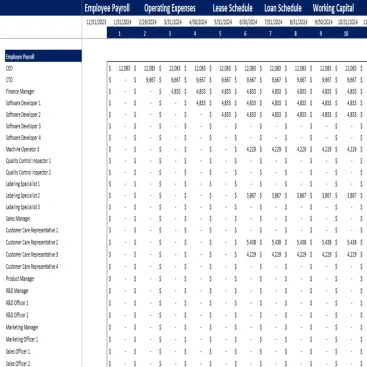
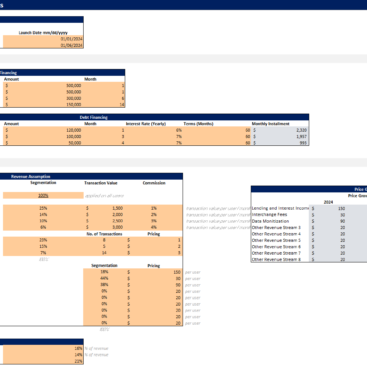
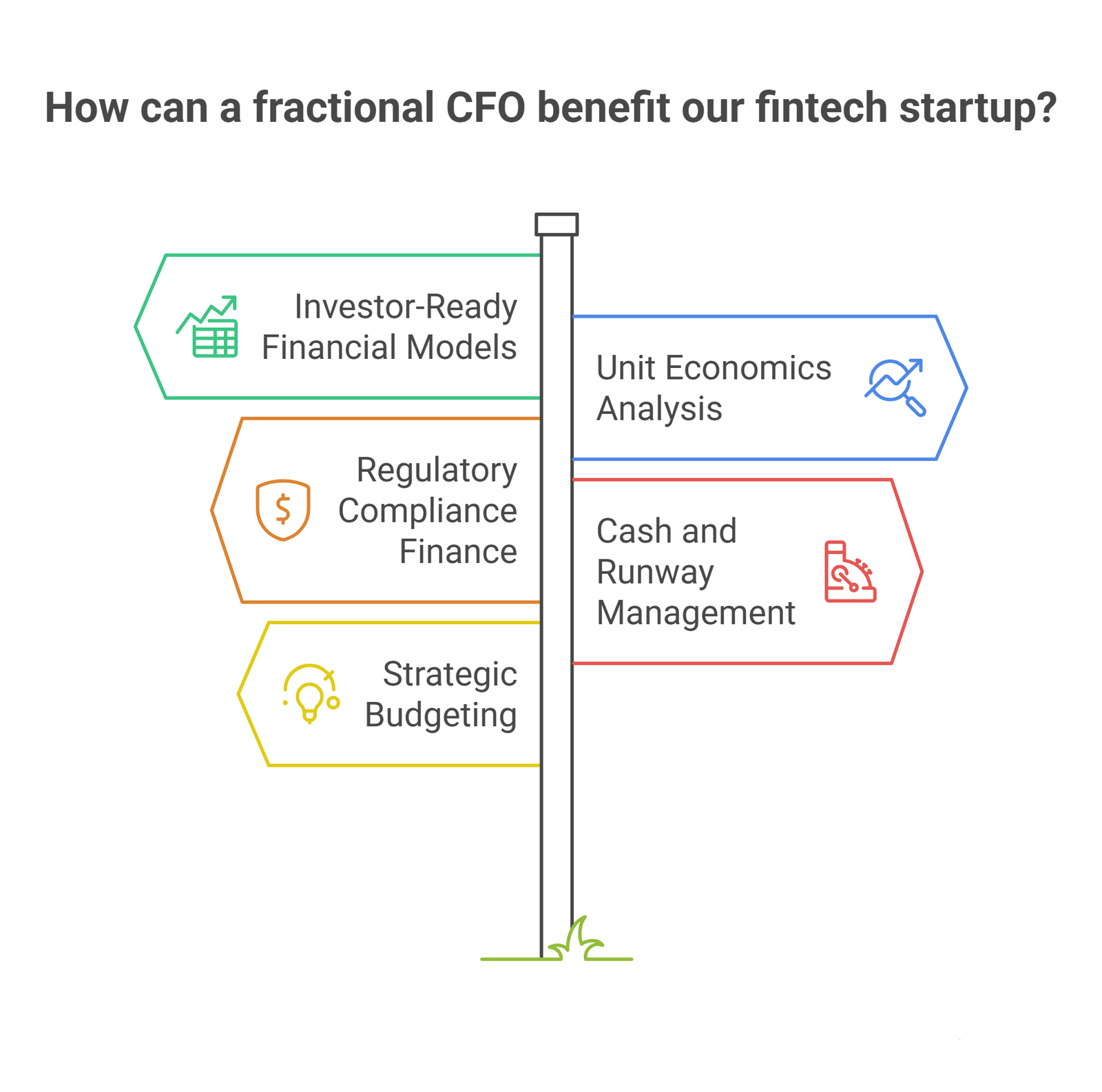
Fintech startups depend on outside capital, so the financial model carries a lot of weight. A fractional CFO builds a model that investors can test. It should include revenue projections, expense assumptions, burn rate, runway, fundraising goals and unit economics. It should also state the addressable market and the competitive context behind the revenue assumptions.
Beyond the model, the CFO prepares the data room, rehearses the hard investor questions and supports negotiation on terms. A model that holds up under questioning builds confidence faster than a polished pitch deck.
Unit economics
Unit economics tell investors whether growth makes sense. A fintech CFO tracks:
- Customer acquisition cost by channel
- Lifetime value by customer cohort
- Payback period on acquisition spend
- Contribution margin after processing fees, fraud losses and compliance costs
Here is an example. A fintech keeps losing customers after a few months while acquisition costs climb. The CFO splits the data by channel and cohort, finds which customers pay back and which never do, and shifts spend toward the profitable ones. The same analysis shows where to trim expenses to improve retention and profit.
Regulatory and compliance finance
A fractional CFO does not replace your lawyer or compliance officer. They own the financial side: capital calculations, safeguarding reconciliations, regulatory financial reports and the budget for compliance staff and tools. They also prepare the financials for a license application or a regulator review.
Treasury, cash and runway
The CFO forecasts cash for the company and, where it applies, tracks customer funds separately. They also model runway under different scenarios, such as steady growth, slower growth and a delayed funding round. That gives founders time to act before cash gets tight.
Budgets and strategic decisions
Two decisions come up often in fintech. The first is launching a product. The CFO forecasts the build cost, compliance work, partner fees and the time to first revenue. The second is entering a new market. The CFO models license costs, local partners, currency exposure and the date the market breaks even. Founders then decide with a clear view of risk and return.
Finance priorities by type of fintech
| Type of fintech | What the CFO has to get right |
| Payments and e-money | Safeguarding of customer funds, capital requirements, processing margins, fraud losses |
| Lending and buy now, pay later | Loan book accounting, credit losses, funding costs, the capital needed to lend |
| Wealth and investing platforms | Client asset rules, regulatory reporting, fee revenue modeling |
| B2B software and embedded finance | Recurring revenue metrics, churn, long sales cycles, scaling the finance function |
| Insurtech | Premium and claims accounting, reserves, reinsurance |
The right CFO profile depends on which row describes your company. If your fintech sells on subscription, our page on CFO services for SaaS companies is also worth a look.
When a fintech should hire a fractional CFO
Bring one in before the pressure arrives. Common triggers include:
- A seed extension, Series A or Series B raise on the horizon
- A license application or regulator review
- Your first external audit
- A bank or payments partner asking for audited financials or proof of controls
- Growth that burns cash faster than planned
- Founders still doing the finance work themselves
Ideally the CFO starts several months before the event. A CFO hired after a failed due diligence spends most of the engagement on damage control.
Fractional or full-time CFO?
Many fintechs run on a fractional CFO from seed to Series A, often alongside a finance manager or controller who handles daily work. At that stage a fractional CFO usually delivers more relevant experience for the money than a full-time hire.
A full-time CFO makes sense when finance work is heavy every day. Examples include a lender operating at scale, a licensed firm where the regulator expects a named senior finance executive on staff, and a company managing a large finance team. Check the rules for your license and jurisdiction.
Fintech-experienced CFOs often charge more than generalists because the work carries more regulatory exposure. Our guide to the cost of a fractional CFO explains how pricing works.
How to choose a fintech CFO
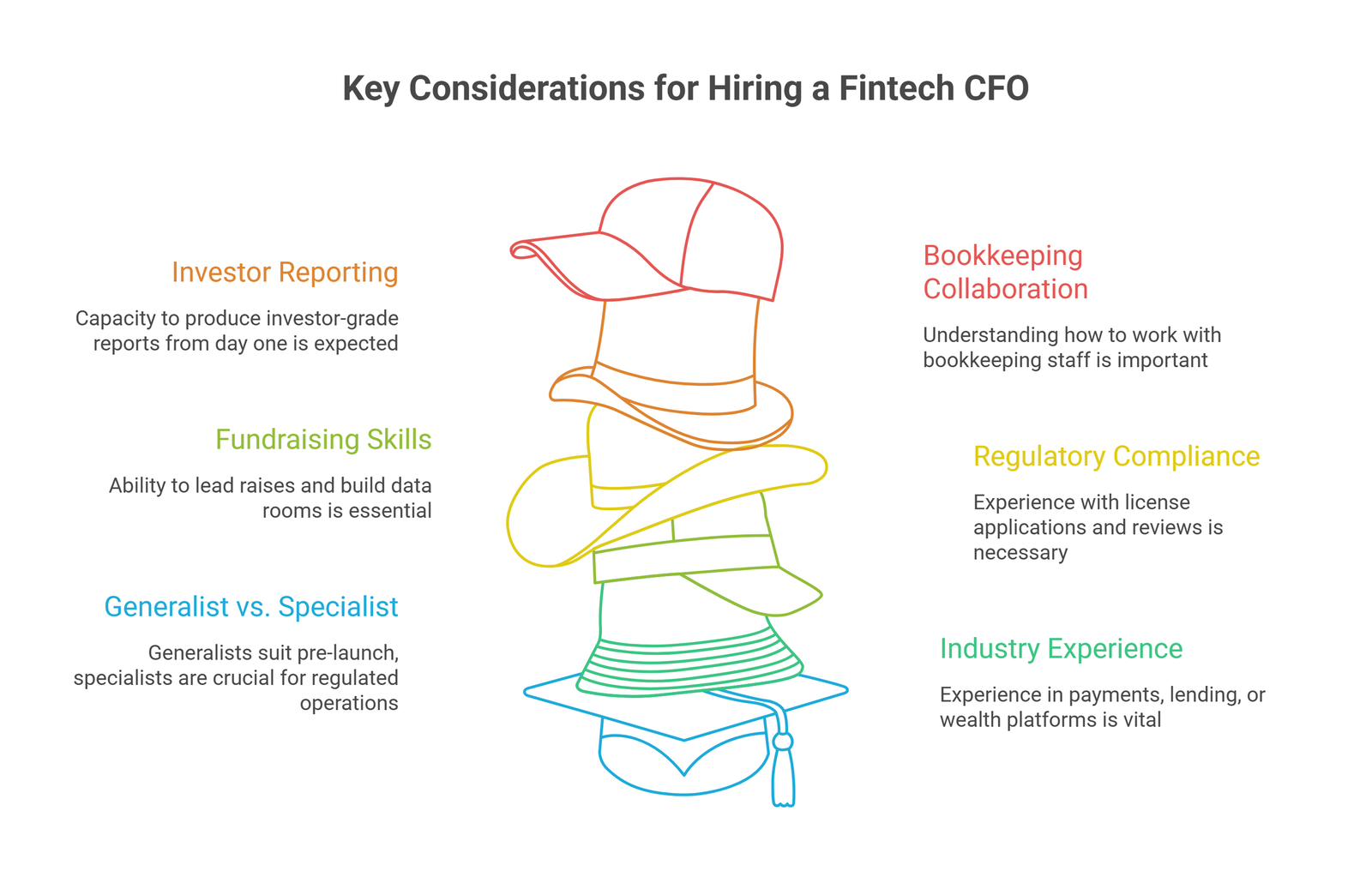
A generalist can work for a pre-launch startup. Once you hold customer money or take lending risk, sector experience matters more. Ask candidates:
- Have you worked at a company like mine, such as a payments, lending or wealth platform?
- Have you led a raise and built the data room?
- Have you supported a license application or a regulator review?
- Can you produce investor-grade monthly reporting from the first month?
- Who handles bookkeeping, and how will you work with that person?
Frequently Asked Questions
What does a fractional CFO do for a fintech startup?
They run the financial strategy part-time. That covers fundraising and financial modeling, unit economics, cash and runway forecasting, investor reporting and the financial side of regulatory obligations.
When should a fintech startup hire a fractional CFO?
Ideally a few months before a funding round, a license application, a first audit or a major partnership. Early help costs less than crisis help.
Can a fractional CFO handle fintech regulatory compliance?
They handle the financial parts, such as capital calculations, reporting and safeguarding reconciliations. Legal interpretation and compliance programs stay with your counsel and compliance team. A good CFO works closely with both.
What should a fintech financial model include?
Revenue projections, expense assumptions, burn rate, runway, fundraising goals, unit economics and the market size behind the numbers. It should also let you change assumptions and see the results, so investors can test your thinking.
Is a fractional CFO enough at Series A?
Often yes. The work at that stage is intense but time-limited: the model, the data room and investor questions. A fractional CFO can cover it. Many companies consider a full-time CFO later, often around Series B, when finance work becomes constant.
How is a fractional CFO different from a part-time accountant?
A part-time accountant handles bookkeeping, payroll, tax filings and month-end close. A fractional CFO sets financial strategy and owns capital planning, investor reporting and regulatory finance. Most fintechs need both.
Conclusion
Here is a useful test. Could you hand your numbers to a Series A investor or a regulator tomorrow? If the answer is no, or you are not sure, start the conversation before a deadline sets the terms.
Oak Business Consultant provides fractional CFO services for startups and growing companies. Talk to our team about fractional CFO services. To see how a fintech model comes together, read our fintech startup financial model case study.