Case Study: Enhancing Returns with a Real Estate Financial Model
Client Overview
Our client, a land development company in Edmonton, Canada, specializes in acquiring real estate and developing infrastructure for individuals, mixed-family communities, and corporate clients. They were preparing to acquire additional land for a new project and needed a comprehensive real estate financial model to assess costs, potential profitability, and investment strategy. This involved analyzing acquisition costs, development expenses, rental income, operating income, and projected cash flows. The goal was to ensure sound investment decisions and evaluate potential returns using financial metrics like IRR, unlevered cash flow, and sensitivity analysis.
Challenges Faced by the Client
- Cost Uncertainty: Variability in raw material prices and other external factors posed a challenge in accurately forecasting development costs.
- Land Utilization Efficiency: Maximizing land use for different property types (residential and commercial) was critical to optimizing returns.
- Profitability Evaluation: Assessing the project’s profitability and investment feasibility without a clear financial model was risky.
- Complex Cost Structures: Managing hard and soft costs, including construction, legal fees, and financing, required meticulous tracking and analysis.
- Risk Mitigation: Addressing risks such as occupancy fluctuations and market changes was crucial for realistic cash flow projections.
- Debt and Equity Management: Tracking debt service, principal repayments, and equity investment impact on cash flow was essential for proper financing.
- Long-Term Growth Planning: Accurately forecasting future growth, exit price, and holding period was necessary for maximizing returns.
- Stakeholder Communication: Ensuring transparent financial projections for joint ventures and investors required clear and structured models.
- Market Conditions: Fluctuating market rates and demand required accurate financial modeling to make informed decisions.
- Time Constraints: The client needed a timely solution for planning and executing the project within tight deadlines.
These challenges were addressed by providing a comprehensive financial model that ensured informed decisions, accurate cost tracking, and optimized returns.
Features of the Real Estate Financial Model

The real estate financial model developed for our client is an all-encompassing, detailed framework designed to ensure the accurate assessment of all financial aspects of the project. Below are the key components of the model, each tailored to provide insight into the costs, profitability, and potential returns:
1. Project Structure
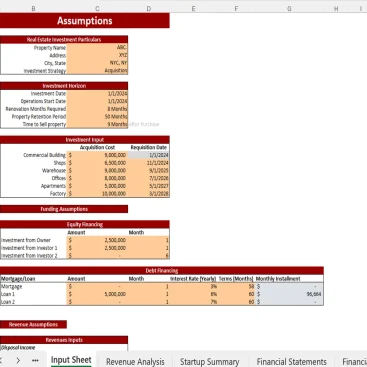
This section outlines the land allocation strategy, focusing on the percentage distribution of land for various real estate types such as single-family homes, multifamily residential properties (apartments and duplexes), and commercial spaces (rental offices). The model features an input chart for assumptions, allowing for dynamic adjustments based on changing land use, zoning regulations, and project scope. It helps visualize the balance between residential and commercial spaces, giving developers clarity on space utilization, land optimization, and projected revenue streams.
2. Hard Costs
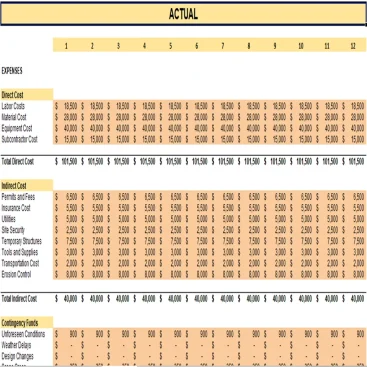
The hard costs section provides a comprehensive analysis of tangible, physical asset expenses related to the development project. These include essential construction costs, infrastructure development, and site preparation. Key categories covered include water treatment systems, site works, roadway development, landscaping, and other utility installations. A variance analysis is incorporated to compare the projected construction costs with actual costs, enabling cost control and budget management. This ensures transparency in capital expenditures and helps avoid unexpected financial challenges that could affect the project’s profitability.
3. Soft Costs
Soft costs involve non-physical, intangible expenses critical to the successful execution of the project. This section covers professional fees such as architectural design, engineering, legal services, financing costs (including interest on loans), project management, permitting, and compliance costs. A detailed chart estimates these costs, helping developers account for all administrative, professional, and regulatory expenses, which can significantly impact the project’s overall cost structure. The model ensures financial planning by forecasting these expenses for the entire development cycle, including potential cost overruns.
4. Development Cost
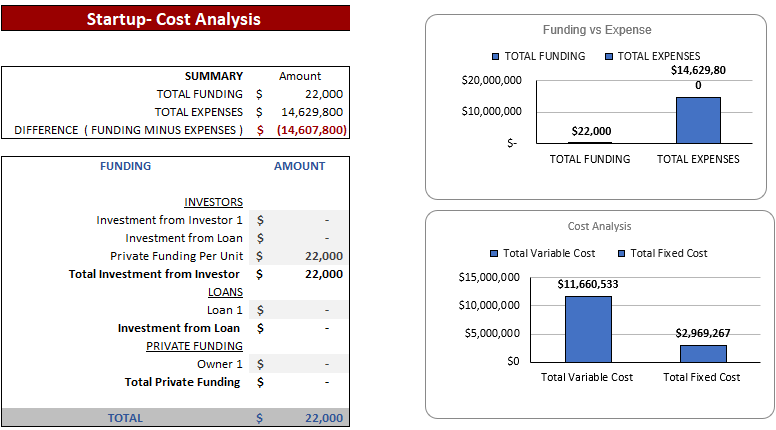
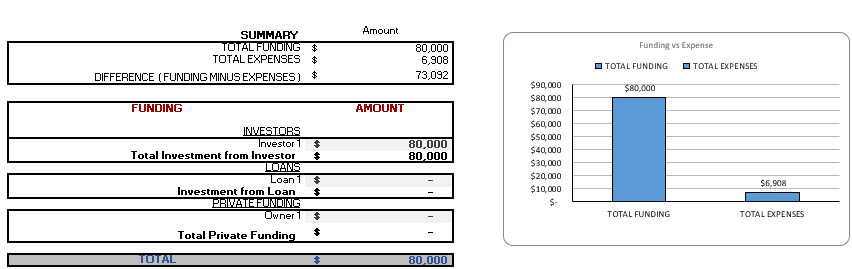
This section consolidates both hard and soft costs into a comprehensive summary of the total project cost. It provides an overview of the overall financial commitment required for the project, allowing the client to understand the total capital expenditure and assess the capital budgeting for the development. The development cost summary is crucial for assessing the cost-to-completion ratio and determining the necessary funding requirements. It helps in capital raising efforts, securing equity investors, or negotiating debt financing.
5. Revenue Model
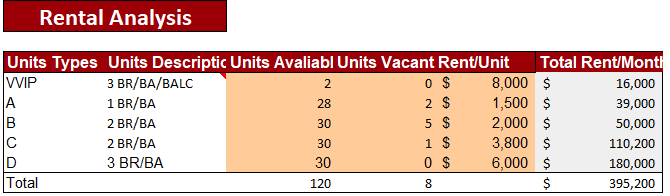
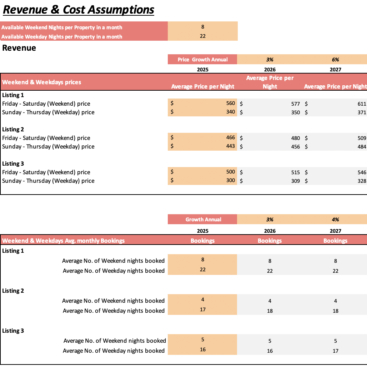
The dynamic revenue forecasting model allows the client to predict future income streams from the project at various development phases. This includes rent revenue from residential units (single-family homes, apartments, duplexes), as well as income from commercial properties (rental offices). The model is designed to incorporate varying occupancy rates, rental yields, and lease terms, allowing for sensitivity analysis based on market changes, vacancy rates, and lease escalations. The cash flow projections help ensure a sustainable revenue model that is aligned with market conditions and financial goals.
6. Per-Unit Cost Analysis
The per-unit cost analysis calculates the cost per unit for each type of property being developed, such as houses, apartments, duplexes, and commercial buildings. By estimating the construction cost per square foot and factoring in development costs, the model helps set pricing strategies for each unit type. This section also provides insight into the profit margin per unit, aiding in price optimization to meet market demand while maximizing return on investment (ROI) and gross profit margins.
7. Profit & Loss Forecasting
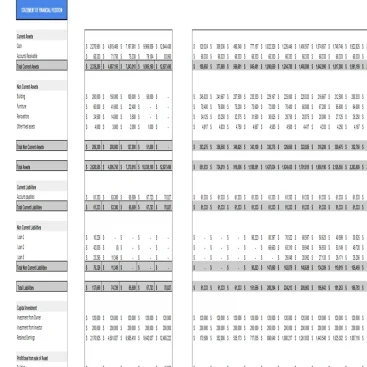
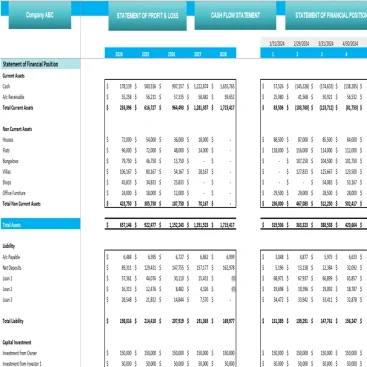
The profit and loss forecasting section consolidates all revenue and expense data into a comprehensive P&L statement. This statement provides insight into the expected income, operating expenses, and net profits over the course of the project. A variance analysis sheet compares forecasted profits with actual results, providing an ongoing financial performance evaluation. This helps identify areas of concern, such as unexpected cost increases, and supports decision-making on future phases of development, such as whether to accelerate or delay construction to meet financial targets.
8. Project Evaluation
The project evaluation tools embedded within the model include Net Present Value (NPV), Internal Rate of Return (IRR), Return on Investment (ROI), and payback period calculations. These financial metrics allow for the thorough evaluation of the project’s financial viability and help in comparing different investment opportunities. The NPV assesses the long-term profitability, while the IRR measures the project’s potential return relative to its cost of capital. The payback period helps determine how quickly the investment will recoup its costs. This feasibility analysis assists in risk mitigation, prioritizing high-return opportunities, and justifying the investment to stakeholders and investors.
9. Dashboard
visual, interactive dashboard presents key project metrics in an easy-to-read format, summarizing essential financial projections and performance indicators. This data visualization tool includes revenue forecasts, cost estimates, NPV, IRR, and cash flow projections, helping project managers, investors, and stakeholders quickly assess the status of the project. The dashboard is designed for real-time tracking, ensuring that key financial insights are accessible and actionable at a glance. This facilitates decision-making at all levels of the project, from early planning stages to ongoing execution.
Outcome
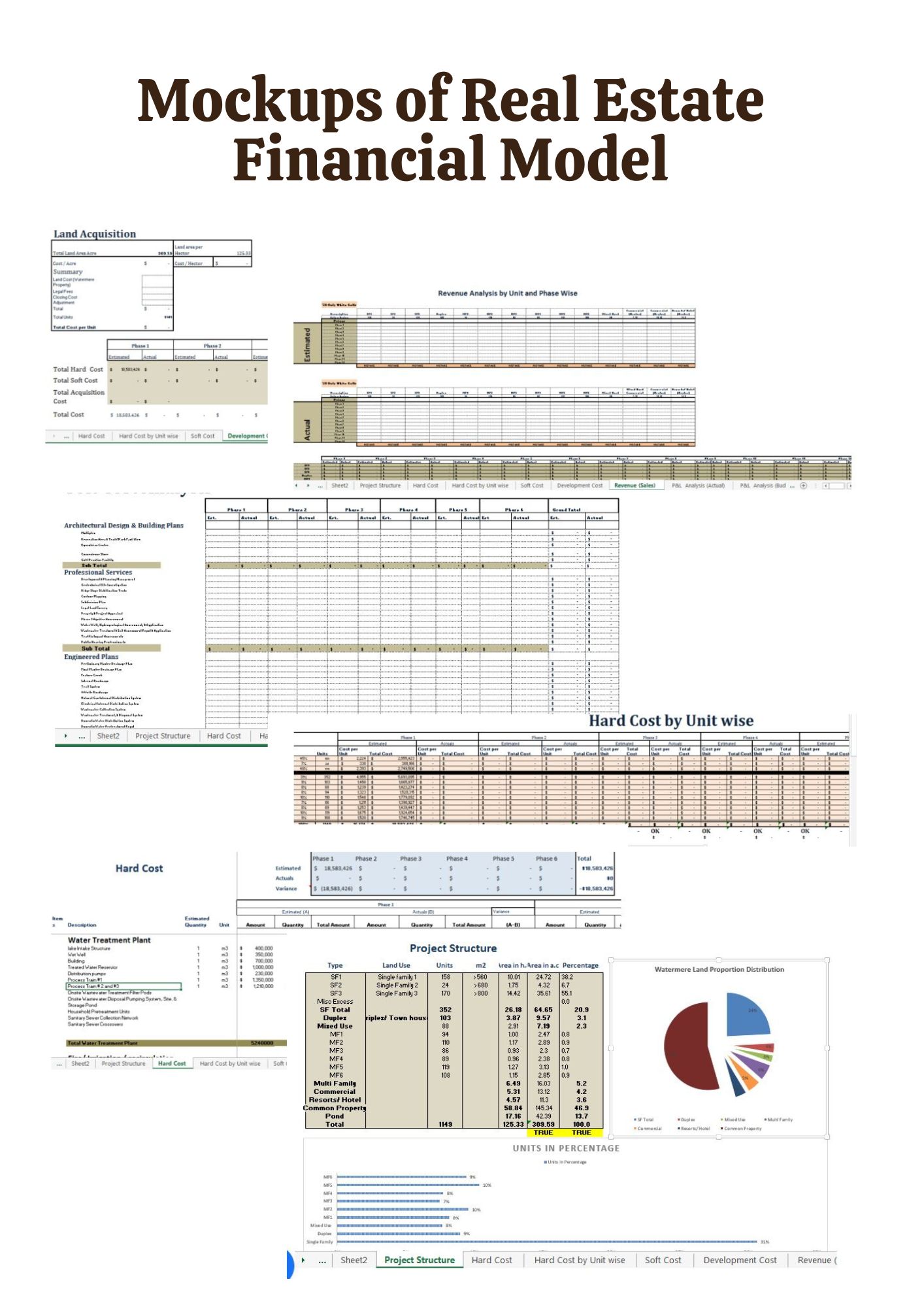
This structured approach to financial modeling provides the client with a comprehensive tool to evaluate all aspects of their real estate development project. The model ensures that all costs, both hard and soft, are accounted for and allows for accurate forecasting of revenue and profitability. By providing in-depth analysis tools such as NPV, IRR, ROI, and payback period calculations, along with a visual dashboard for easy access to financial data, the model empowers the client to make well-informed, strategic decisions. This in-depth, adaptable approach supports better financial planning, risk mitigation, and maximized returns for the client’s real estate project.
What’s in It for You?
As a real estate developer, investor, or financial decision-maker, managing and scaling your real estate projects in a competitive market can be challenging. Without a well-structured financial model, your real estate ventures may face significant risks, such as:
- Inaccurate revenue forecasts, leading to poor financial planning, missed opportunities, and potential underperformance.
- High operating costs, including construction, property management, and maintenance expenses, which can erode your profit margins and impact profitability.
- Unoptimized pricing strategies for rent or sale, limiting your ability to maximize revenue per property and affecting overall financial performance.
- Cash flow instability, making it difficult to fund new developments or manage day-to-day operations.
- Investor uncertainty, causing delays in securing capital or hindering your ability to expand your real estate portfolio.
How Can You Overcome These Challenges?
By leveraging a comprehensive real estate financial model, you can address these challenges and set your real estate business up for long-term success:
- Develop a Scalable Financial Model: Create a dynamic model that tracks revenue, expenses, and cash flow, providing clear visibility into your financial health and project viability.
- Optimize Property Pricing & Revenue Streams: Implement effective pricing strategies for rental units or property sales to maximize revenue and improve profit margins.
- Enhance Property Acquisition & Development: Use insights into acquisition costs, construction expenses, and project timelines to refine your investment strategies and improve project ROI.
- Improve Cash Flow Management: Accurately forecast operational costs, financing needs, and projected revenue to ensure stable cash flow, allowing you to fund future developments and maintain financial stability.
- Boost Investor Confidence: Present clear, data-driven financial projections that highlight the scalability and potential returns of your projects, making it easier to secure funding from investors.
Ready to Strengthen Your Real Estate Financial Strategy?
At Oak Business Consultant, we specialize in crafting customized financial models, project evaluation, and strategic business planning for real estate developers and investors. Book a free consultation today, and let’s work together to develop a financial roadmap that will drive your real estate projects toward sustained success and growth.
Frequently Asked Questions
What is a Real Estate Financial Model?
A Real Estate Financial Model is a comprehensive tool used to forecast cash flow, revenue, and costs for real estate projects. It helps real estate investors evaluate potential returns such as IRR (Internal Rate of Return), ROI (Return on Investment), NPV (Net Present Value), and Cap Rate.
What are the key components of the model?
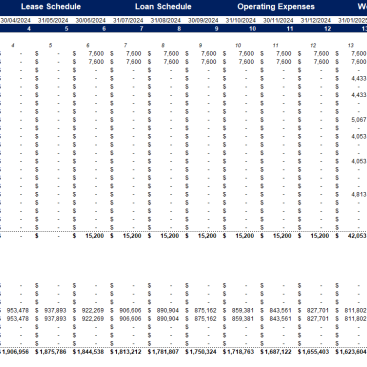
Key components include hard costs (e.g., construction, site development), soft costs (e.g., architectural fees, financing), cash inflows (e.g., rental income, sale proceeds), debt schedules, and equity contributions. The model also tracks operating expenses, including property taxes, maintenance, and utilities.
Which financial metrics are used in real estate models?
Common metrics include NPV, IRR, Cap Rate, Cash-on-Cash Return, Debt Service Coverage Ratio (DSCR), and Payback Period, which help real estate professionals and private equity firms assess project viability.
How is financing structured in the model?
The model incorporates debt financing (loan terms, interest rates, repayment schedules) and equity financing, allowing for the evaluation of capital structures and the impact of debt service on overall cash flow projections.
Conclusion
At Oak Business Consultant, we developed a comprehensive real estate financial model for our client, a land development company in Edmonton. This model allowed them to assess costs, evaluate profitability, and make informed investment decisions. By integrating key financial metrics such as IRR, NPV, and ROI, we provided a detailed framework that addressed challenges like cost uncertainty, land utilization, and cash flow instability. Our solution helped the client streamline their development process, optimize financial performance, and mitigate risks. Ready to Elevate Your Real Estate Strategy? Contact Oak Business Consultant for a free consultation and let us help you build a financial roadmap that ensures long-term success and growth for your real estate projects.