How to Start a Farming Business
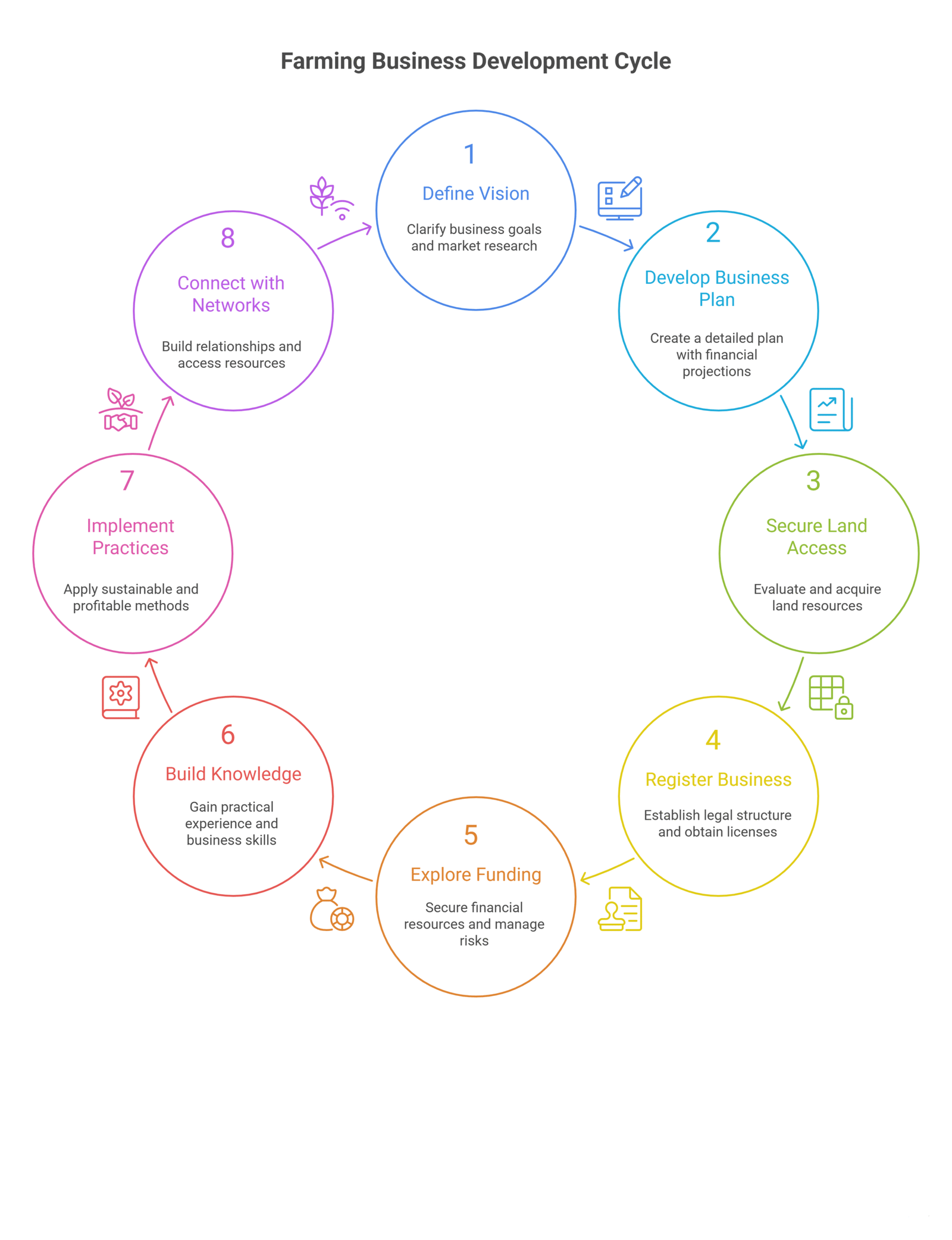
Steps to Start a Farming Business
The agricultural sector continues to offer promising opportunities for entrepreneurs passionate about sustainable food production and land stewardship. Whether you’re dreaming of organic farming, livestock management, or crop production, understanding how to start a farming business is crucial for long-term success. This comprehensive guide walks you through every essential step, from developing your business plan to securing funding opportunities and establishing profitable distribution channels.
Understanding the Farming Business Landscape
Before diving into how to start a farming business, it’s important to recognize that modern agriculture requires more than just a love for the land. Today’s successful farm business demands strong management skills, financial acumen, market awareness, and technical knowledge. The agricultural landscape has evolved significantly, with beginning farmers now having access to unprecedented resources through organizations like the USDA Beginning Farmer program, state extension services, and specialized incubator farms.
The farming business sector encompasses diverse opportunities, from traditional crop production and livestock farming to innovative ventures like urban farming, hydroponic systems, and regenerative farming. Understanding market demand in your area and identifying market opportunities will help you choose the right path for your agricultural business.
Step 1: Define Your Farming Business Vision and Conduct Market Research
The first step in how to start a farming business is clarifying your vision. What type of farm business do you want to establish? Consider these options:
- Crop Production: Cash crop farm operations focusing on grains, vegetables, or specialty crops
- Livestock Farming: Cattle, poultry, sheep, or other livestock industry ventures
- Organic Farming: Meeting USDA Organic certification standards for premium markets
- Specialty Operations: Agritourism, direct-to-consumer sales, or value-added products
Research your target audience and local market demand thoroughly. Visit field days hosted by your local service center or organizations like UGA Extension, NC State Extension, or Penn State Extension. These events provide valuable insights into regional agricultural conditions, climate change impacts on farming, and industry changes affecting profitability.
Connect with your local Cooperative Extension Agent and attend farm trials to understand which crops or livestock perform best in your area. Study successful operations through the Census of Agriculture data and speak with established farmers about market products and distribution channels.
Step 2: Develop a Comprehensive Business Plan
A detailed business plan is essential when learning how to start a farming business. Your plan should include:
Executive Summary: Your vision, mission, and farm business concept
Market Analysis:
- Target audience demographics
- Market demand assessment
- Competition analysis
- Pricing strategies
Operational Plan:
- Farm management practices
- Crop rotation schedules
- Soil health and soil quality maintenance plans
- Equipment costs and infrastructure needs
Financial Projections:
- Startup costs including land acquisition and equipment
- Operating expenses
- Revenue forecasts
- Net cash farm income projections
Marketing Strategy:
- Distribution channels (farmers markets, restaurants, CSAs)
- Product packaging and branding
- Direct marketing approaches
Resources like USDA Service Centers and the Farm Bureau can provide templates and guidance for developing your business plan. Consider including a Nutrient Management Plan if you’re pursuing sustainable practices, or an energy sustainability plan if exploring options through programs like the Ohio Farm Bureau Energy Program.
Step 3: Secure Land Access and Evaluate Natural Resources
Land access represents one of the biggest challenges for beginning farmers. Evaluate these options:
Purchase:
- Conventional loans through banks
- Farm Ownership loans from the Farm Service Agency
- Down Payment Loan programs
- Land link initiatives connecting retiring farmers with newcomers
Lease:
- Private landowner agreements
- Conservation easement arrangements
- Programs through Carolina Farm Credit or NC Farmlink
Shared Models:
- Incubator Farms offering training and land access
- Cooperative farming arrangements
When evaluating land, assess:
- Soil quality and fertility
- Water availability and rights
- Zoning and land use laws compliance
- Farm Acreage Limitations in your state
- Proximity to markets
- Land in Western North Carolina or other regions may have specific county lines affecting regulations
Test soil health before making commitments and consider how climate change may affect the land’s long-term productivity. Consult with the USDA Natural Resources Conservation Service for guidance on sustainable land management.
Step 4: Register Your Farm Business and Obtain Licenses
Establishing your legal structure is a critical step in how to start a farming business:
Choose Your Business Structure:
- Sole proprietorship
- Partnership
- LLC (Limited Liability Company)
- Corporation
Obtain Required Documentation:
- Employer Identification Number (EIN) from the IRS
- Business license from your city or county
- State tax ID from your NC Department of Revenue or equivalent state agency
- GATE card (Georgia Agriculture Tax Exemption) in applicable states
Secure Necessary Permits:
- Food sales permits if selling directly to consumers
- Organic certification through USDA Organic programs
- Pesticide applicator licenses
- Water use permits
- Environmental compliance permits for agricultural runoff management
Different farm business activities require specific permits. Visit your State Department of Agriculture, such as the Georgia Department of Agriculture, for complete requirements. Accounting books and proper tax preparation using Schedule F for farming income are essential from day one.
Step 5: Explore Funding and Financial Resources
Understanding how to start a farming business includes securing adequate financing. Beginning farmers have numerous options:
USDA Programs:
- USDA Beginning Farmer program direct loans
- Operating loans for annual expenses
- USDA microloans (up to $50,000) through the Microloan program
- Farm Ownership loans for land and permanent improvements
State and Local Programs:
- New Farmers Grant Fund in various states
- Government subsidies for conservation practices
- State-specific young farmer programs like Young Agricultural Professionals initiatives
Private Financing:
- Traditional bank loans
- Agricultural credit unions
- Private investors
- Crowdfunding for specialty operations
Risk Management:
- Crop Insurance through approved agents
- Liability Insurance protecting against accidents
- Property insurance
- Workers’ compensation (if hiring employees)
Work with local financial institutions familiar with the agricultural sector. The USDA ERS provides market data that can strengthen loan applications. Many lenders require Crop Insurance coverage before approving farm loans.
Step 6: Build Your Knowledge and Skills
Success in the farming business requires continuous learning. Beginning farmers should:
Gain Practical Experience:
- Apprenticeships or internships on working farms
- Volunteer at local operations
- Attend workshops at field days
- Participate in produce safety training
- Complete Good Agricultural Practices certification
Access Educational Resources:
- Cooperative Extension programs
- Beginning Farmer program training
- Online courses on farm management
- Industry conferences and trade shows
- Farm Bureau membership benefits
Learn Business Skills:
- Financial management and accounting
- Marketing and customer relations
- Labor management (if hiring employees)
- Technology adoption for efficiency
- Risk assessment and planning
Resources like Tax Guidance for Small Farmers help navigate complex regulations. Understanding how to use tools like Folio3 AgTech’s Crop Management Software can streamline operations and improve farming decisions.
Step 7: Implement Sustainable and Profitable Farm Management Practices
When determining how to start a farming business that thrives long-term, focus on:
Production Excellence:
- Soil health improvement through crop rotation
- Integrated pest management
- Water conservation strategies
- Diversifying operations to reduce risk
Market Development:
- Building relationships with customers
- Identifying distribution channels (wholesale, retail, direct)
- Creating value-added products
- Developing consistent product quality
Record Keeping:
- Detailed production records
- Financial tracking
- Inventory management
- Compliance documentation
Continuous Improvement:
- Monitoring industry changes
- Adapting to market opportunities
- Investing in infrastructure improvements
- Evaluating and adjusting farming decisions regularly
Step 8: Connect with Support Networks and Resources
No farmer succeeds alone. Build relationships with:
- USDA Service Centers: Your local service center provides access to Farm Service Agency programs, Natural Resources Conservation Service guidance, and Rural Development resources
- Extension Services: State universities offer research-based advice
- Farm Organizations: Farm Bureau membership, commodity groups, organic farming associations
- Beginning Farmer Networks: Programs specifically serving America’s next generation of farmers
- Business Development Centers: Small business resources applicable to agricultural businesses
- Conservation Organizations: Support for environmental stewardship
Many states offer Beginning Farmer program coordinators who connect new farmers with essential resources. The Ohio Farm Bureau, for example, provides networking and advocacy, while distilled spirits industry connections might benefit those growing specialty crops.
Navigating Challenges in the Farming Business
Learning how to start a farming business means preparing for obstacles:
Financial Challenges: Many farm businesses experience negative cash flow initially. Maintain off-farm income sources during the startup phase and manage expectations about when the farm business will become profitable.
Market Volatility: Agricultural markets fluctuate due to weather, consumer trends, and global events. Diversifying operations and having multiple distribution channels provides stability.
Labor Issues: Finding and retaining quality farm workers can be difficult. Consider seasonal labor needs and understand employment regulations.
Climate and Weather: Unpredictable weather impacts yield and quality. Crop Insurance and diversification help manage these risks.
Regulatory Compliance: Keeping up with changing regulations requires ongoing attention. Work with extension agents and industry associations to stay informed.
Frequently Asked Questions
Do I need experience to start a farming business?
While formal agricultural education isn’t required, practical experience is invaluable. Most successful beginning farmers gain experience through internships, apprenticeships, or working on established farms before starting their own operations. The Beginning Farmer program and extension services offer training to build necessary skills in crop production, farm management, and agricultural business operations.
What licenses and permits do I need for a farming business?
Requirements vary by location and farm business activities. At minimum, you’ll need a business license, Employer Identification Number, and may need permits for food sales, pesticide application, water use, or environmental compliance. Contact your State Department of Agriculture and local service center for specific requirements. Beginning farmers should also obtain Crop Insurance and Liability Insurance.
How do beginning farmers access land without buying?
Land access options include leasing from private landowners, participating in incubator farms, using land link initiatives like NC Farmlink, joining cooperative farming arrangements, or exploring conservation easement opportunities. Many beginning farmers start by leasing before eventually purchasing land through Farm Ownership loans or Down Payment Loan programs.
What kind of insurance do farmers need?
Essential insurance includes Crop Insurance (often required for loans), Liability Insurance, property insurance, vehicle insurance, and workers’ compensation if you have employees. Many farmers also carry business interruption insurance and equipment coverage. Work with agents familiar with the agricultural sector to ensure adequate protection.
Where can I get help and support as a beginning farmer?
Resources include USDA Service Centers, Farm Service Agency programs, Cooperative Extension offices (like UGA Extension, NC State Extension, Penn State Extension), Farm Bureau organizations, local service centers, and Beginning Farmer program coordinators in each state. Young Agricultural Professionals groups and online farming communities also provide valuable support and networking.
Conclusion
Understanding how to start a farming business requires dedication, planning, and access to the right resources. From developing a solid business plan and securing land access to obtaining necessary licenses and building market relationships, each step contributes to long-term success. Beginning farmers today have unprecedented support through USDA programs, extension services, and farming communities committed to helping new entrants thrive.
The agricultural sector needs passionate, knowledgeable farmers to ensure food security and environmental stewardship. Whether you’re interested in traditional crop production, innovative hydroponic systems, or livestock farming, the path to establishing a successful farm business is clearer than ever. Start by connecting with your local service center, developing your business plan, and building relationships with experienced farmers and agricultural professionals.