SDG 3: Good Health for All, but 4.6 Billion Still Lack Care
SDG 3: Good Health for All Sounds Simple. It Isn’t.
Health and poverty move together in the same direction. A family that cannot afford a doctor’s visit skips it until the problem gets worse and more expensive to treat. A country that cannot staff its rural clinics loses mothers and children to causes that are almost always preventable. SDG 3 is the goal that tries to break that cycle, and it carries more targets and indicators than almost any other item on the 2030 Agenda. This guide covers what SDG 3 actually commits the world to, where global progress stands based on the latest reporting, and what specific countries, institutions, and businesses are doing about it. One section looks specifically at where businesses fit into a goal that gets treated, wrongly, as a government-only problem.
What is SDG 3
SDG 3, formally titled “Ensure healthy lives and promote well-being for all at all ages,” is the third of the 17 Sustainable Development Goals. All 193 UN member states adopted it in 2015 as part of the 2030 Agenda.
The goal is unusually broad even by SDG standards. It covers maternal and child survival, the fight against HIV, tuberculosis, malaria, and neglected tropical diseases, the rising burden of non-communicable diseases like cancer and diabetes, mental health and suicide prevention, substance abuse, road traffic deaths, universal health coverage, and the health effects of pollution and unsafe water. A country can cut child mortality while its rate of diabetes climbs. It can expand hospital beds while out-of-pocket costs push millions into poverty. SDG 3 tracks both sides of that coin at once, which is part of why it carries more indicators than any other SDG.
The official targets and indicators behind SDG 3
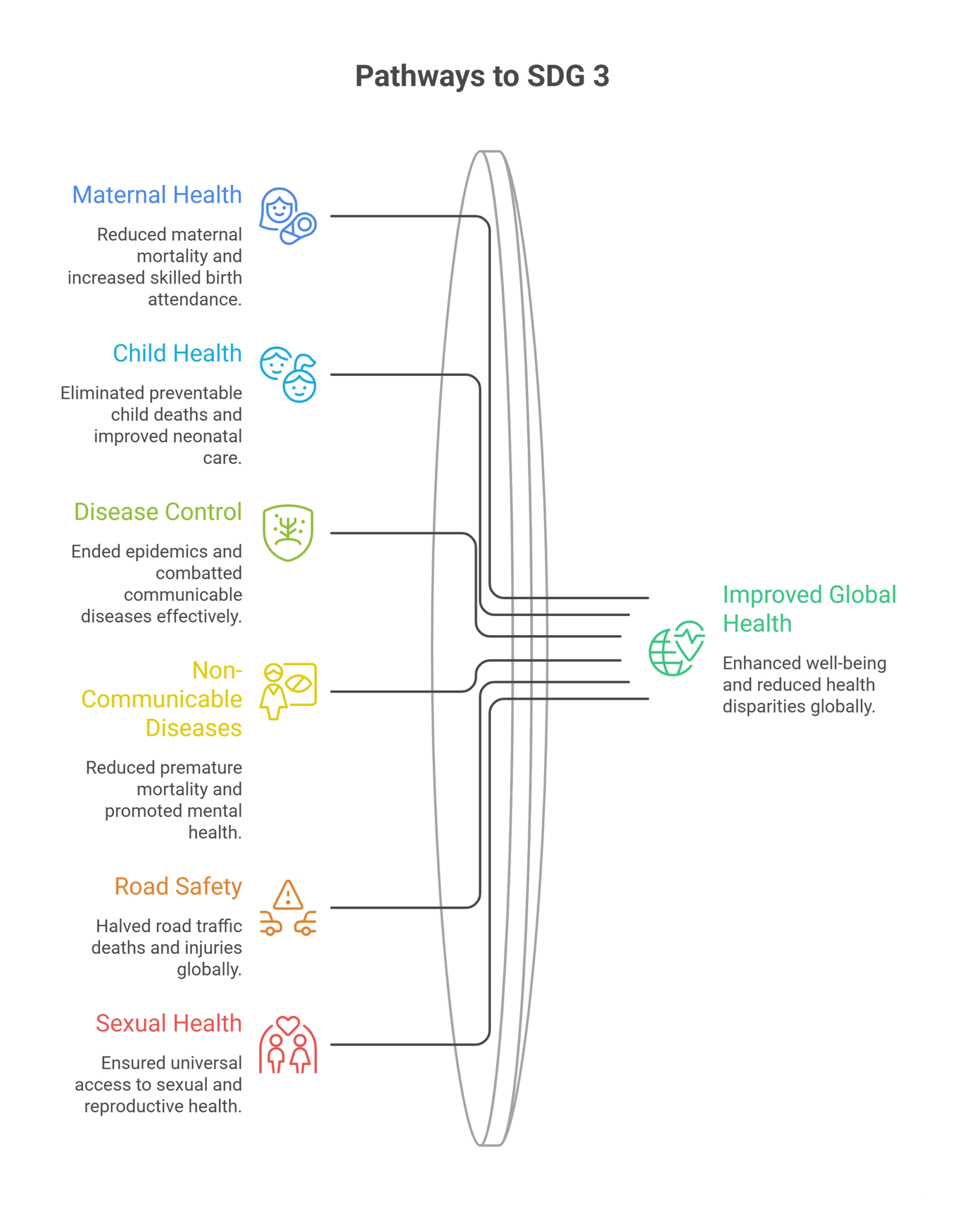
SDG 3 breaks down into 13 official targets, nine outcome targets numbered 3.1 through 3.9, and four means-of-implementation targets numbered 3.a through 3.d. Together they carry 28 indicators, the most of any SDG:
- Target 3.1: By 2030, reduce the global maternal mortality ratio to less than 70 per 100,000 live births. Tracked through the maternal mortality ratio and the proportion of births attended by skilled health personnel.
- Target 3.2: By 2030, end preventable deaths of newborns and children under 5, aiming for neonatal mortality of at least as low as 12 per 1,000 live births and under-5 mortality of at least as low as 25 per 1,000 live births. Tracked through the under-five and neonatal mortality rates.
- Target 3.3: By 2030, end the epidemics of AIDS, tuberculosis, malaria, and neglected tropical diseases, and combat hepatitis, water-borne diseases, and other communicable diseases. Tracked through new HIV infections, tuberculosis incidence, malaria incidence, hepatitis B incidence, and the number of people requiring interventions against neglected tropical diseases.
- Target 3.4: By 2030, reduce by one third premature mortality from non-communicable diseases through prevention and treatment, and promote mental health and well-being. Tracked through mortality from cardiovascular disease, cancer, diabetes, and chronic respiratory disease, plus the suicide mortality rate.
- Target 3.5: Strengthen the prevention and treatment of substance abuse, including narcotic drug abuse and harmful use of alcohol. Tracked through treatment coverage for substance use disorders and per capita alcohol consumption.
- Target 3.6: By 2020, halve the number of global deaths and injuries from road traffic accidents. Tracked through the death rate from road traffic injuries.
- Target 3.7: By 2030, ensure universal access to sexual and reproductive health care, including family planning, information, and education. Tracked through the share of women of reproductive age whose need for family planning is met with modern methods, and the adolescent birth rate.
- Target 3.8: Achieve universal health coverage, including financial risk protection and access to affordable essential medicines and vaccines. Tracked through the coverage of essential health services and the share of the population with out-of-pocket health spending above 40% of their household budget.
- Target 3.9: By 2030, substantially reduce deaths and illnesses from hazardous chemicals and air, water, and soil pollution. Tracked through mortality from air pollution, unsafe water and sanitation, and unintentional poisoning.
- Target 3.a: Strengthen implementation of the WHO Framework Convention on Tobacco Control. Tracked through tobacco use prevalence among people 15 and older.
- Target 3.b: Support research and development of vaccines and medicines for diseases that primarily affect developing countries, and provide access to affordable essential medicines and vaccines for all. Tracked through vaccine coverage, development assistance for health research, and a health product access index.
- Target 3.c: Substantially increase health financing and the health workforce in developing countries. Tracked through health worker density and distribution.
- Target 3.d: Strengthen the capacity of all countries for early warning, risk reduction, and management of health risks. Tracked through International Health Regulations capacity and antimicrobial resistance in bloodstream infections.
Where global progress actually stands
Progress on health is real but badly uneven, and it has slowed since the 2015 baseline in almost every category the UN tracks.
On universal health coverage specifically, the UHC Global Monitoring Report 2025 from WHO and the World Bank found that the global Service Coverage Index rose from 54 to 71 out of 100 between 2000 and 2023. The share of people facing financial hardship from health costs fell from 34% to 26% over roughly the same period. That sounds like solid progress, and by historical standards it is. But an estimated 4.6 billion people worldwide still lack access to essential health services, and 2.1 billion people face financial hardship paying for the care they do get, including 1.6 billion pushed into or deeper into poverty by health costs. Without faster action, the global coverage index is projected to reach only 74 out of 100 by 2030, leaving roughly 1 in 4 people still facing financial hardship at the end of the SDG era.
Maternal and child health tells a similar story of progress that has not kept pace with the target. The table below sets the 2015 baseline against the most recent figures from the UN’s own SDG 3 tracking.
| Indicator | 2015 baseline | Most recent figure |
| Maternal mortality ratio (per 100,000 live births) | 227 | 197 (2023) |
| Births attended by skilled health personnel | 80% | 87% (2024) |
| Under-5 mortality rate (per 1,000 live births) | 43 | 37 (2023) |
| Neonatal mortality rate (per 1,000 live births) | 19 | 17 (2023) |
| New HIV infections | 2.1 million (global, 2015) | 1.3 million (2022) |
| People requiring NTD interventions | 1.8 billion | 1.495 billion (2023) |
| Global Service Coverage Index (out of 100) | 61 (2015) | 71 (2023) |
| Population facing catastrophic health spending | 34% (2000 baseline) | 26% (2022) |
Source: UN DESA, Goal 3 progress reporting;WHO–World Bank UHC Global Monitoring Report 2025.
The maternal mortality numbers show why the UN keeps calling this target off track. To reach the 2030 goal of fewer than 70 deaths per 100,000 live births, the world needs an annual reduction rate of roughly 11.6%, more than double the rate achieved since 2015. Sub-Saharan Africa and Southern Asia together accounted for about 87% of the world’s estimated maternal deaths in the most recent UN reporting cycle.
Infectious disease trends are mixed rather than uniformly positive. AIDS-related deaths have halved since 2010, but tuberculosis diagnoses hit their highest recorded level in 2023, at 8.2 million cases globally, more than in any year since data collection began in the mid-1990s. Malaria is furthest off track of any communicable disease target: WHO’s Global Technical Strategy calls for a 90% reduction in both malaria case incidence and mortality by 2030 against the 2015 baseline, plus elimination in at least 35 countries. A 2024 WHO progress review found that, at the current trajectory, the world will miss the case incidence target by 89% and the mortality target by 88%.
Non-communicable diseases remain the target furthest from being met on the outcome side. An estimated 18 million people under 70 died from a non-communicable disease in 2021, more than half of all deaths in that age range, and the risk of premature death from cardiovascular disease, cancer, chronic respiratory disease, or diabetes has fallen too slowly since 2015 to hit the one-third reduction target by 2030.
Two of the less-cited targets are moving the wrong way. Treatment coverage for substance use disorders fell from roughly 11% of people needing it in 2015 to under 9% in 2022, and women receive far less of that treatment than men, with under 6% of women with drug use disorders reaching treatment globally against over 13% of men. On the health workforce target, a global shortage of health workers projected at 18 million by 2030 has been revised down to about 10 million, but an additional 1.8 million workers are still needed across 54 countries, mostly in Northern Africa and sub-Saharan Africa, just to hold current staffing levels steady against a growing and aging population.
What countries are doing about SDG 3
Progress on health looks different depending on where a country starts. The list below runs from the strongest health coverage records to the countries still working through the hardest structural problems.
Japan
Japan’s universal health insurance system, running since 1961, still covers every citizen. Individuals pay premiums based on income and cover 30% of medical costs themselves. Life expectancy in Japan reached 84.1 years, three years above the OECD average. The system faces a real strain, though. Japan has the world’s fastest aging population. Healthcare costs are projected to hit about 89 trillion yen by 2045, 1.6 times the 2023 level.
European Union
Most EU member states run single-payer or quasi-public health systems that cover residents without large out-of-pocket costs. Supplemental private insurance exists almost everywhere, but it typically covers extras like dental care or private rooms. It stays under 5% of total health spending in most countries. The EU also funds health systems abroad. It has committed EUR 125 million to a WHO partnership strengthening universal health coverage in other countries through 2027.
Thailand
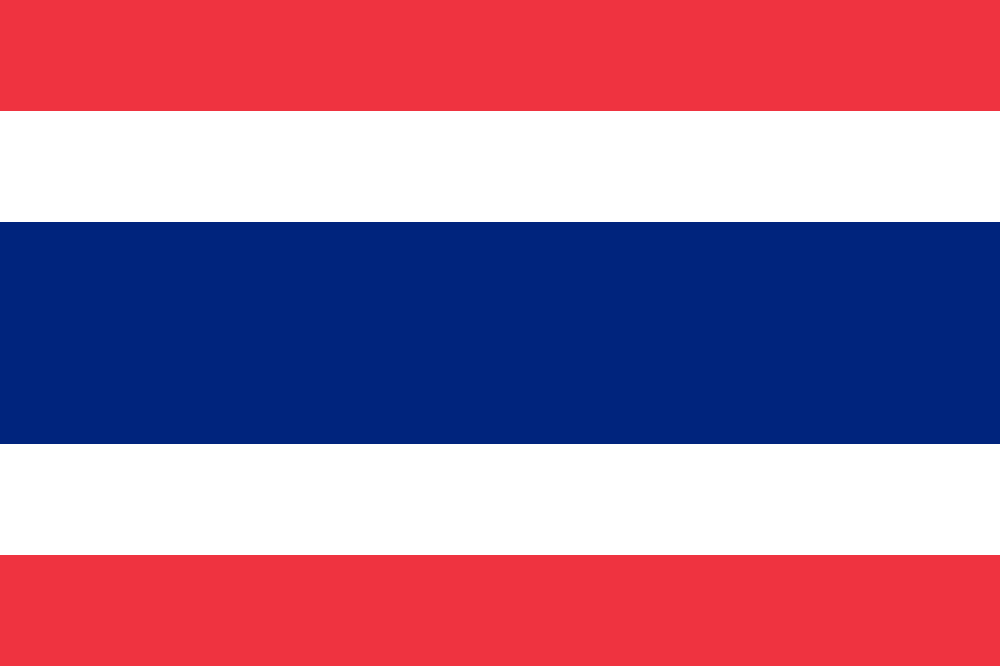
Thailand’s Universal Coverage Scheme launched in 2002 as the “30 Baht Scheme.” It charges a flat fee of roughly one US dollar per visit. Children, seniors, and people below the poverty line are exempt. In January 2025, the government finished the scheme’s fourth and final expansion phase. Digital “treat anywhere” access now reaches all 77 provinces. Every enrolled citizen now carries a personal health ID that works at any participating facility.
United Arab Emirates
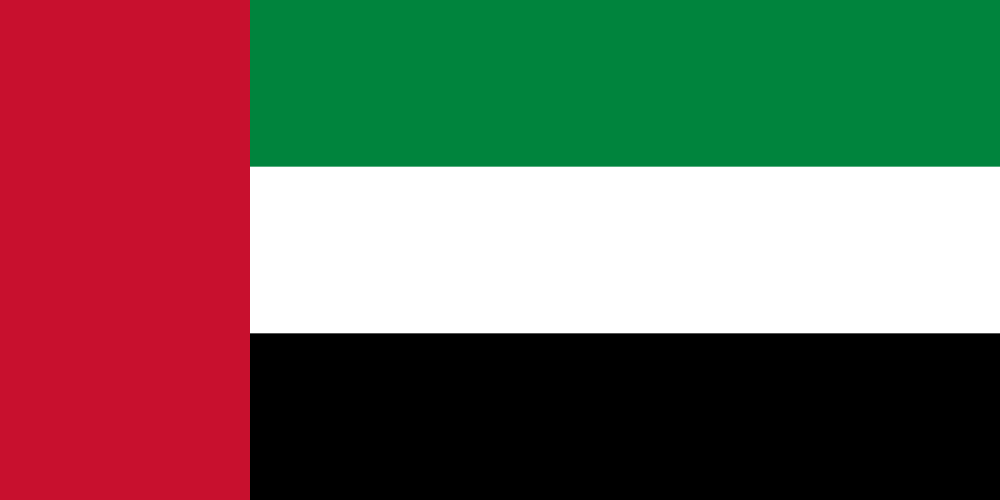
The UAE requires mandatory health insurance for citizens and residents alike. Government funds coverage for nationals, and employers mostly fund it for expatriates. Healthcare spending is growing at a compound annual rate of 7.4%, the highest in the Gulf Cooperation Council. The country recently moved to unify its insurance schemes nationally. That replaced emirate-specific programs like Thiqa and Enaya with coverage that follows patients across all seven emirates. Some gaps still remain before the UAE reaches full universal coverage.
Rwanda
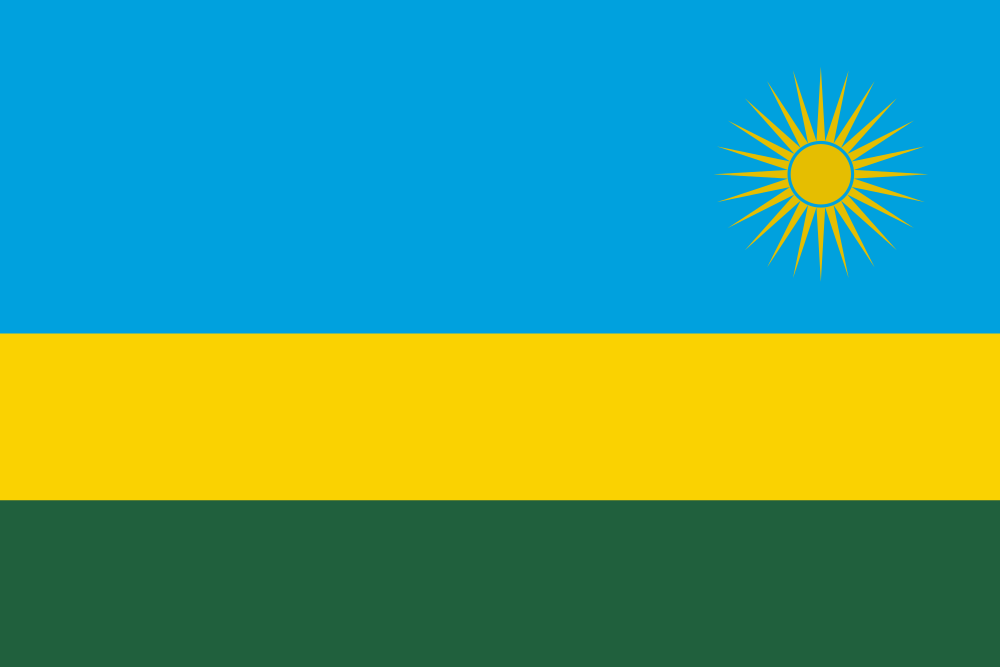
The World Health Organization has called Rwanda’s Mutuelles de Santé the beacon of universal health coverage in Africa. Coverage rose from under half the population in 2005 to over 90% by 2020. The program pairs that community-based insurance with a network of more than 45,000 elected community health workers. They handle antenatal care, safe delivery support, and emergency referrals at the village level. Rwanda’s maternal mortality ratio has fallen by more than 80% since the early 1990s.
India
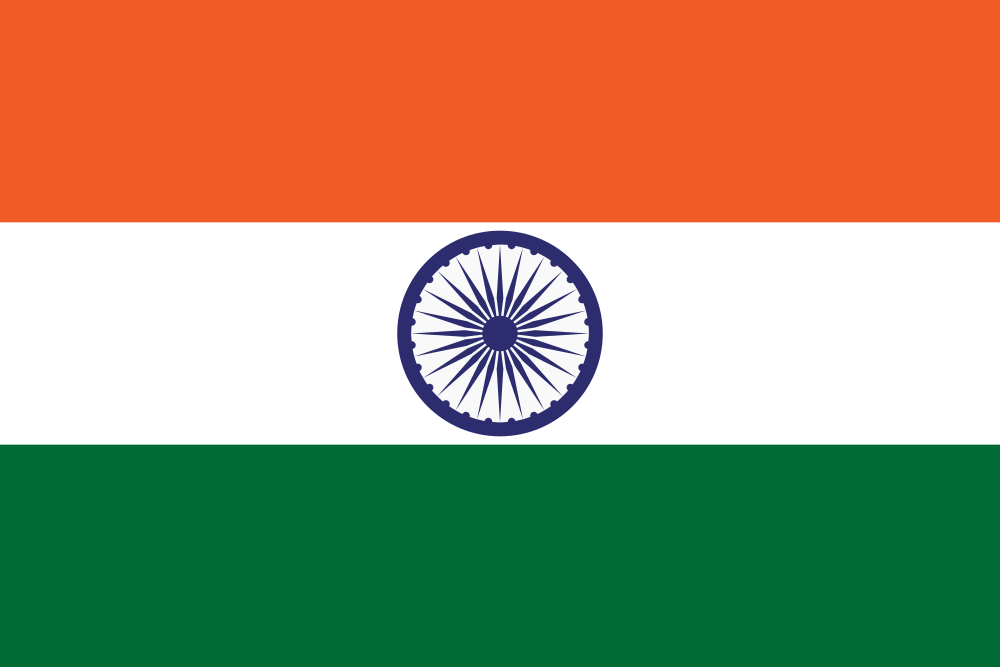
India’s Ayushman Bharat Pradhan Mantri Jan Arogya Yojana launched in 2018. It is the world’s largest publicly funded health insurance scheme by enrollment. It covers more than 550 million people across over 120 million families. Each family gets the rupee equivalent of about $6,000 in annual coverage for hospital care. In October 2024, coverage was extended to all citizens aged 70 and above, regardless of income.
United States
The US uninsured rate held at 8% in 2025, lower than in many past decades. That trend is now reversing. Enhanced ACA subsidies expired at the end of 2025. The Congressional Budget Office projects uninsured Americans will rise by 3.4 million in 2026 alone. By 2028, CBO expects more than 35 million uninsured people, a third higher than in 2025. The US remains the only country on this list without a universal coverage system.
Ethiopia
Ethiopia’s Health Extension Program has run since 2003. It deploys two salaried community health workers to every kebele, the country’s smallest administrative unit, each covering roughly 1,000 households. Publicly funded primary health care coverage rose sharply in the program’s first years. It is regularly cited as one of the more replicable low-resource models. Real challenges remain around worker capacity, health post infrastructure, and the social determinants that sit outside the health system itself.
What organizations and institutions are doing
World Health Organization (WHO)
WHO and the World Bank jointly publish the UHC Global Monitoring Report. It anchors most of the tracking on universal health coverage. WHO co-hosted the UHC High-Level Forum in Tokyo in December 2025. It also launched a UHC Knowledge Hub there to help finance ministries design health financing reforms.
The Global Fund
The Global Fund to Fight AIDS, Tuberculosis and Malaria runs almost entirely on donor and private-sector replenishment cycles. At its Eighth Replenishment Conference in late 2025, private and philanthropic partners pledged a combined $1.34 billion. The Bill & Melinda Gates Foundation led that pledge with $912 million.
Gavi, the Vaccine Alliance
Gavi secured a little over $9 billion in its 2026 to 2030 replenishment, short of its $11.9 billion target. It has deepened coordination with the Global Fund and the Global Financing Facility. That coordination aims to avoid duplicating support in the same countries.
UNAIDS
UNAIDS continues to coordinate the global HIV response. In February 2026, it welcomed a US spending package allocating $5.88 billion to global HIV programs. That figure includes bilateral support, the Global Fund, and UNAIDS itself.
Access Accelerated
Access Accelerated is a coalition of 23 pharmaceutical companies, including Pfizer, Novartis, and GSK. It focuses specifically on non-communicable disease access in lower-income countries. Since 2016, it has helped channel more than $3.5 billion in World Bank NCD-related financing.
How businesses can contribute to SDG 3
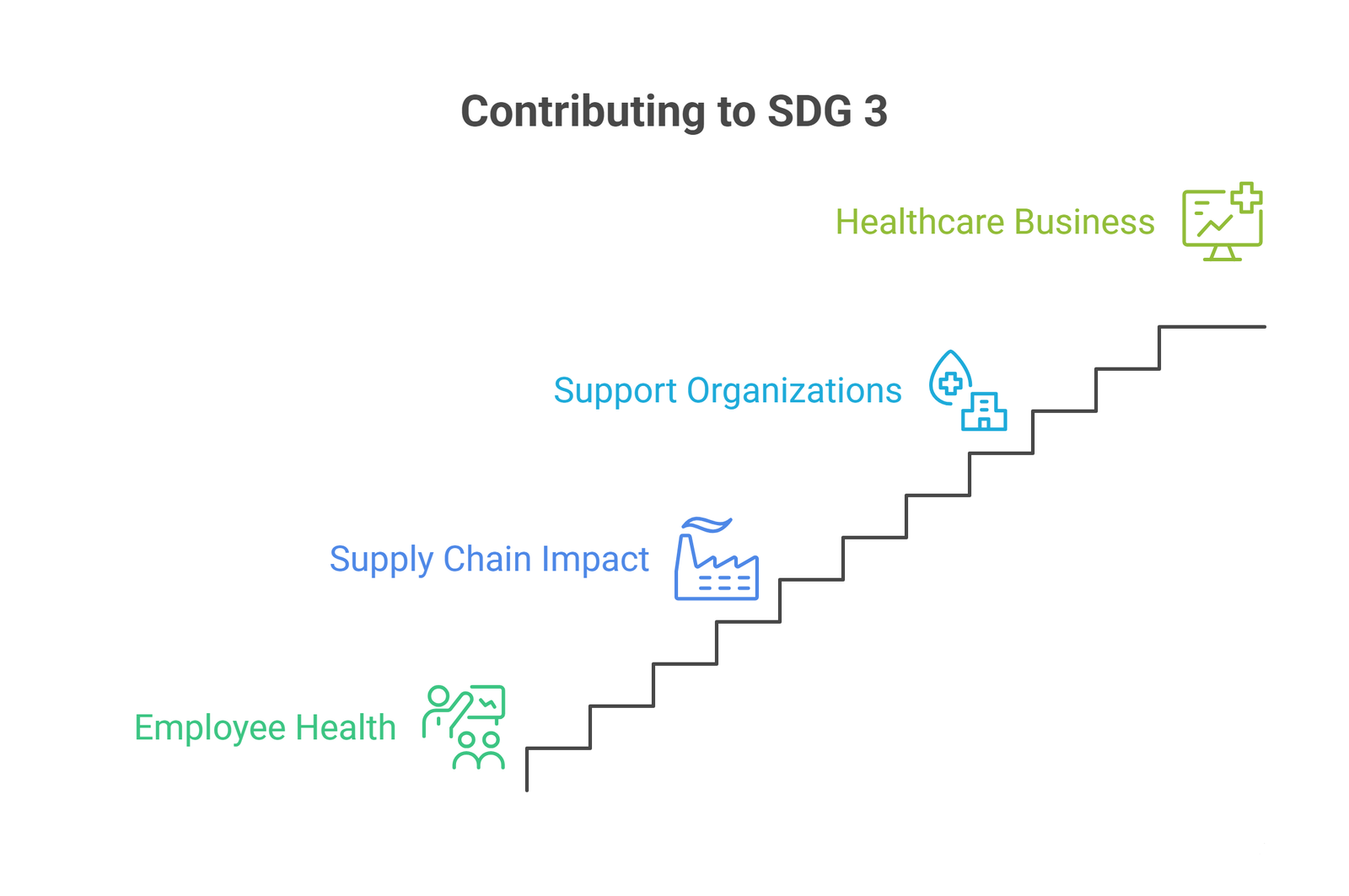
Health is one of the few SDGs where the UN Global Compact tells companies to start with the same question no matter what industry they’re in: who in your business, your supply chain, or your surrounding community is affected by what you do, and how? Charlotte Ersbøll, the UN Global Compact’s senior advisor on SDG 3, has described it as the same scoping exercise companies already run for climate emissions, just applied to health. There are several concrete starting points.
Start with employee health, because it applies to every business regardless of sector. Workplace health programs, safe working conditions, and access to care for staff are the most direct, most measurable health impact almost any company has. This is where Target 3.4, on non-communicable disease prevention, and Target 3.5, on substance abuse, intersect most directly with ordinary business operations.
Look at supply chain and community impact next. Food, beverage, textile, and manufacturing companies in particular affect the health of workers and nearby communities through working conditions, pollution, and product safety, touching directly on Targets 3.4 and 3.9.
Support or partner with organizations doing the work on the ground. Companies without a direct health mandate can still contribute through structured giving, in-kind resources, or catalytic financing, the model the Global Fund and Gavi both rely on for private sector engagement. That kind of partnership, along with financial planning support for nonprofits working in health, often determines whether a promising program scales past its pilot phase or stalls for lack of a credible budget.
Consider healthcare as a business line in its own right. Clinics, diagnostics, digital health, and medical practices are themselves part of closing the SDG 3 gap, particularly in markets where public capacity is stretched. Businesses in this space still need the same financial discipline as any other, from cash flow forecasting to healthcare-specific financial modeling, to grow sustainably rather than outrunning their revenue cycle.
Frequently Asked Questions
How many SDG 3 targets and indicators are there?
Thirteen targets, nine outcome targets and four means-of-implementation targets, tracked through 28 indicators. That makes it the SDG with the most indicators of the 17.
What is universal health coverage, and how close is the world to reaching it?
Universal health coverage means everyone can access the health services they need without financial hardship. The global Service Coverage Index rose from 54 to 71 out of 100 between 2000 and 2023, but an estimated 4.6 billion people still lack access to essential health services, and the index is projected to reach only 74 by 2030.
Which country has cut maternal mortality the most since the SDGs launched?
Rwanda’s maternal mortality ratio has fallen by more than 80% since the early 1990s, from roughly 1,020 to about 229 deaths per 100,000 live births, driven mainly by its Mutuelles de Santé insurance scheme and a large community health worker network.
Is tuberculosis getting worse despite SDG 3?
By at least one measure, yes. Global TB diagnoses hit 8.2 million in 2023, the highest number recorded since the mid-1990s, even as other infectious disease targets, including HIV and malaria, have shown steadier progress.
Can a small or mid-size business realistically contribute to SDG 3, or is this a government problem?
Every business already has a direct SDG 3 touchpoint through employee health, whether or not it operates in healthcare. The UN Global Compact frames this as the natural starting point before a company looks at supply chain or community impact, which makes SDG 3 more accessible to smaller businesses than goals tied to large-scale infrastructure or trade policy.
Conclusion
The 4.6 billion people still without essential health services outnumber the population of Africa, Europe, and the Americas combined. That gap persists even in a decade when maternal deaths, child mortality, and AIDS-related deaths have all fallen. The pattern across Rwanda, Thailand, Ethiopia, and India is not that any single fix works everywhere. It’s that coverage expands fastest when a country pairs a financing mechanism, whether insurance, a flat-fee scheme, or an income-support model, with a workforce that can actually deliver care at the community level. Governments and multilateral funds will keep carrying the financing weight through 2030. Businesses have a narrower but real lever, starting with the health of their own workforce and extending into supply chains, communities, and, for some, the healthcare sector itself. If your business is building out a health-related service line or a financial model for a health system partnership, Oak’s medical practice CFO services can help build the numbers behind it.