


Hardware Retail Store Excel Financial Model



Original price was: $350.$210Current price is: $210.
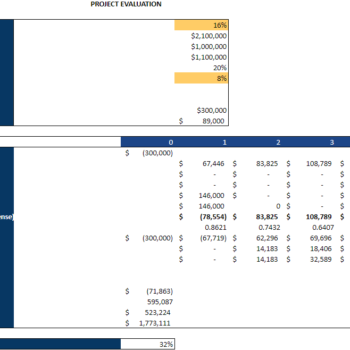
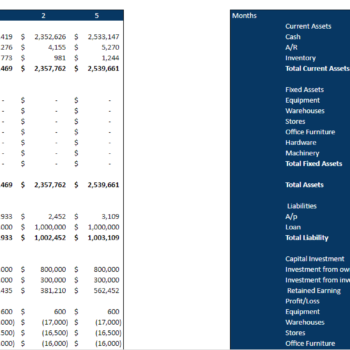
The Hardware Retail Store model is a comprehensive financial model best suited to your business needs. It contains several different tabs that generate reports based on your inputs. The model helps you in analysis, forecasting, and project evaluation.
Frequently Bought Together
- Description
- Reviews (12)
Description
Hardware Retail Store Excel Financial Model: Overview
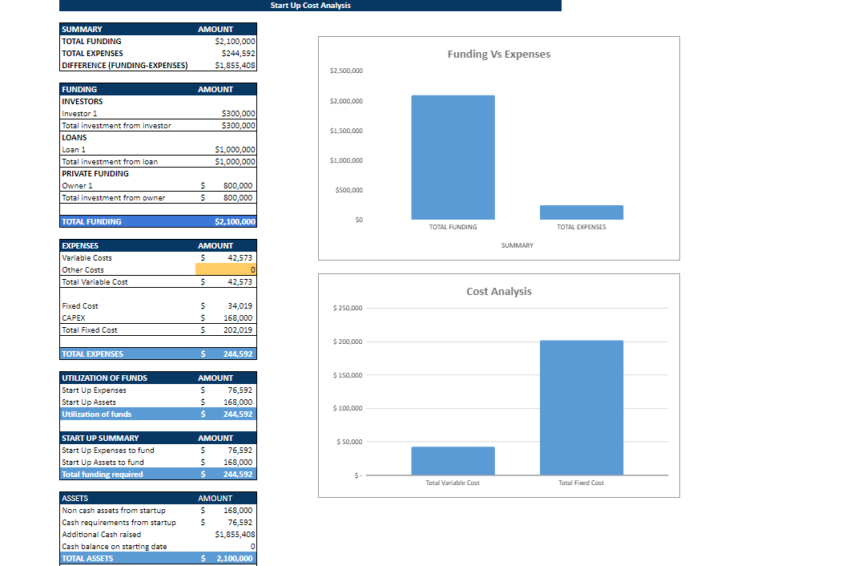
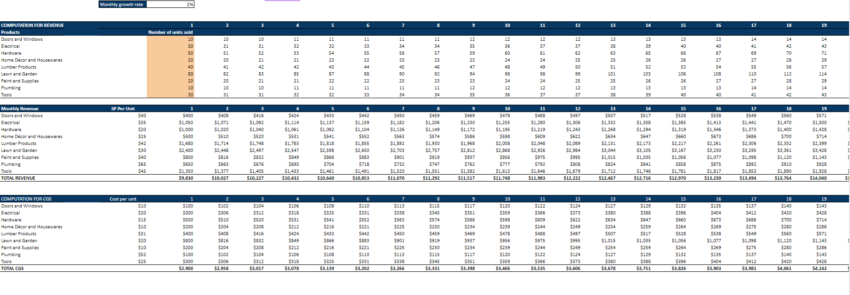
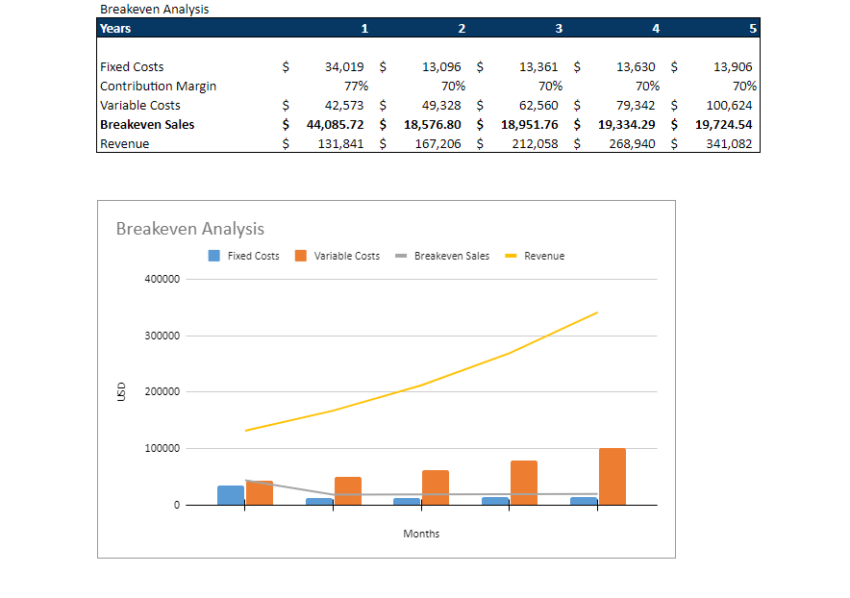
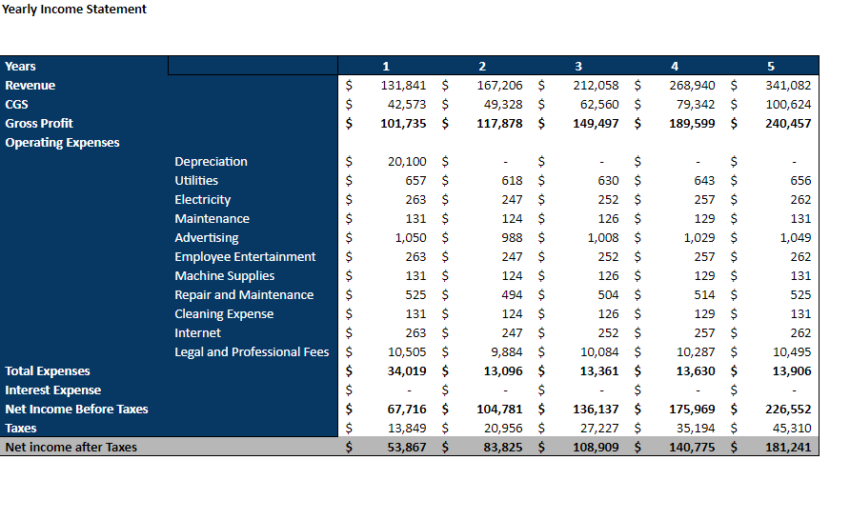
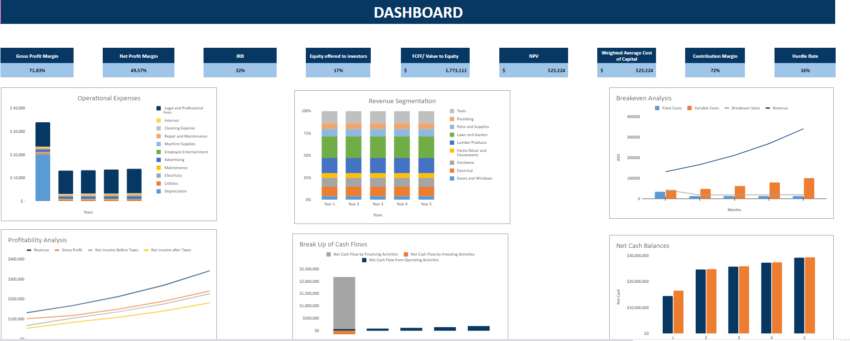
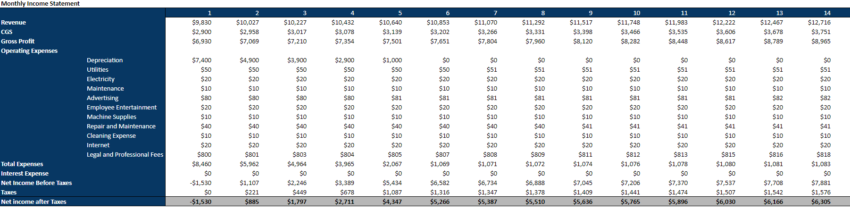
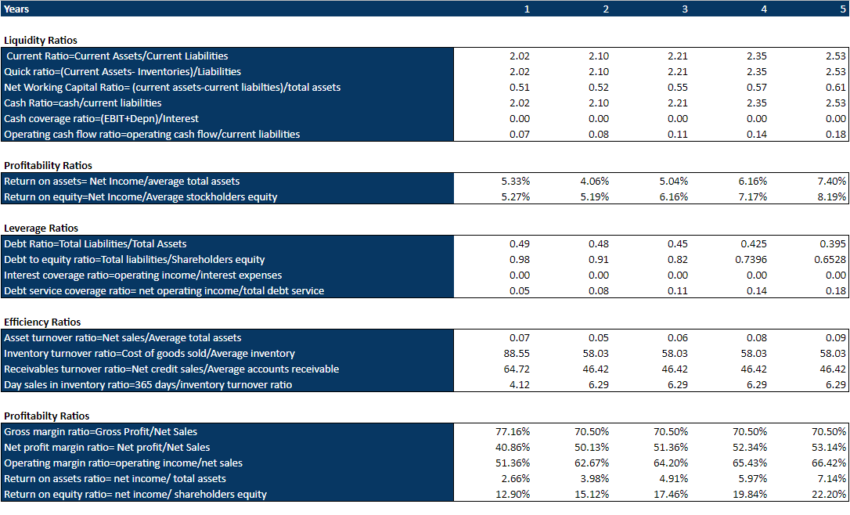
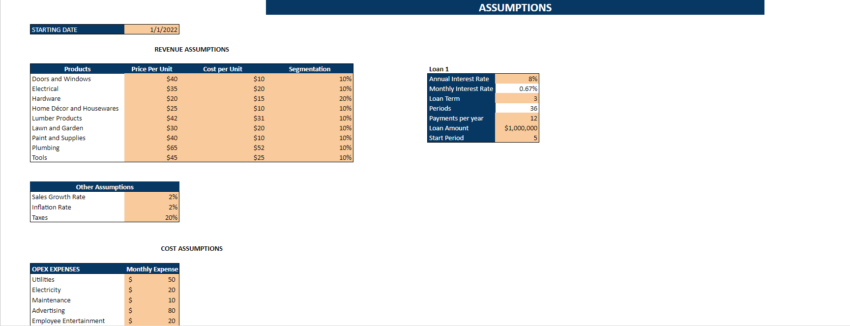
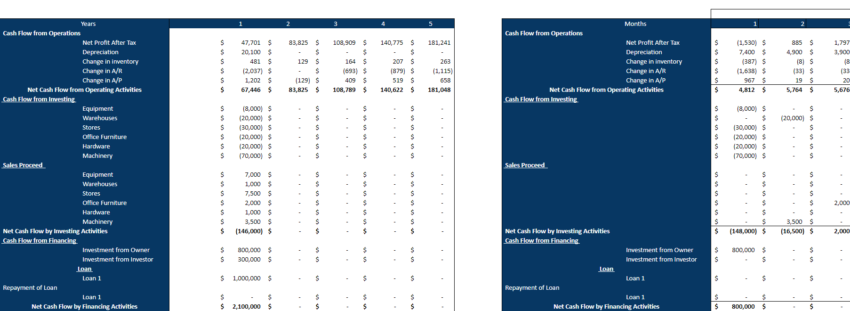
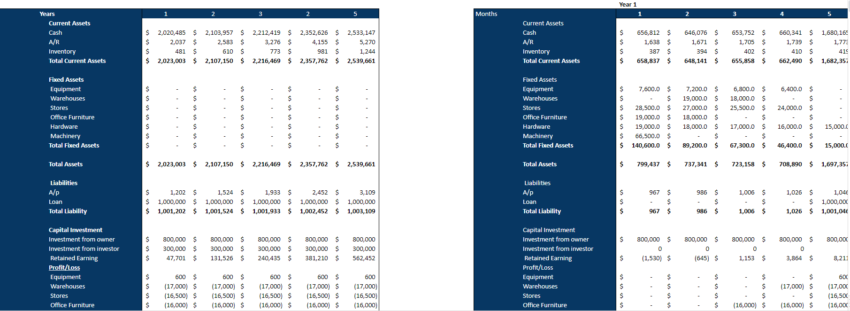
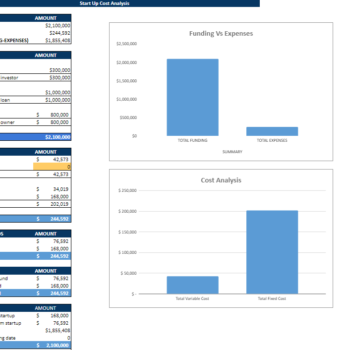
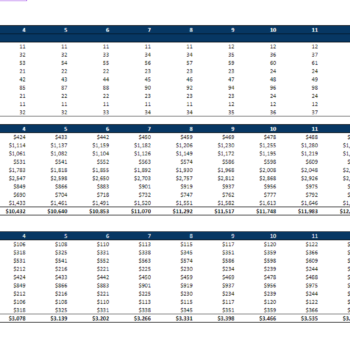
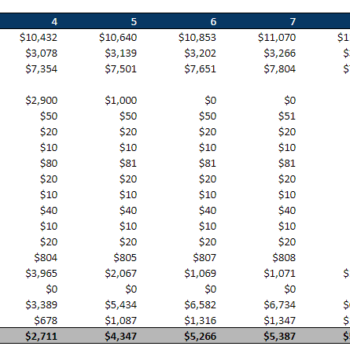
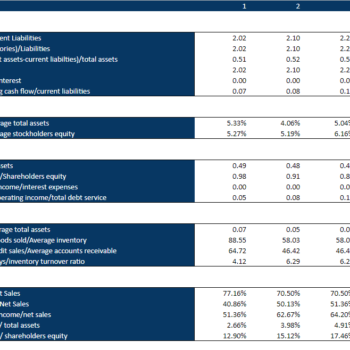
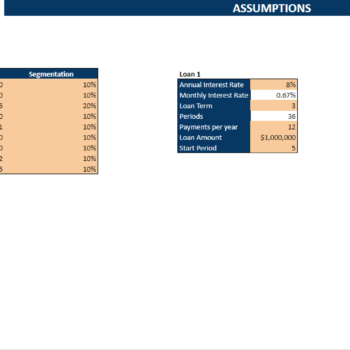
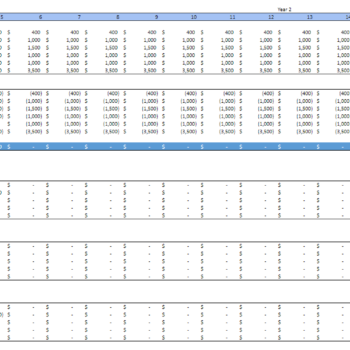
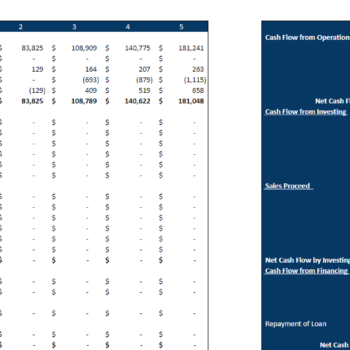
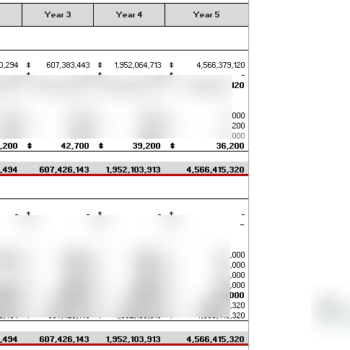
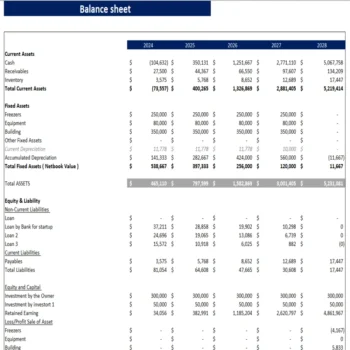
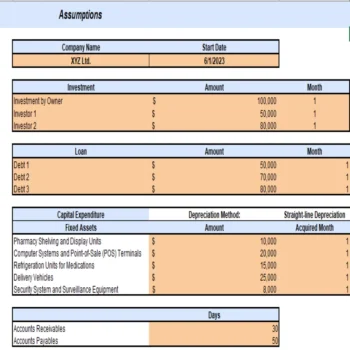
This financial model will be your basis for creating your Hardware Retail Store Excel Financial Model and financial planning and help you to determine 5-year monthly as well as yearly financial statements (Income Statement, Balance Sheet, and Cash Flow), Break-Even Analysis, Performance KPIs, Start-up Summary Chart, and other Diagnostic charts, etc. The model uses a bottom-up approach to calculate the Revenues derived by applying the respective pricing assumptions (up to 9 product categories). OPEX and capital expenditure, along with other beliefs, are then used to prepare detailed profit and cash flow forecasts.
Key Features of the Model:
- Income Statement
- Cash Flow Statement
- Balance Sheet Forecast
Revenue:
- Revenue by Customers – Projects income based on the estimated number of walk-in and returning customers.
- Revenue by No. of Orders – Evaluates revenue flow by estimating the average number of transactions per period.
- Revenue by No. of Products – Measures sales volume by product type, aiding inventory and category performance planning.
- Seasonal Trends – Incorporates seasonal variations in demand (e.g., high sales in construction season), improving accuracy in projections.
Cost Structure:
- Labor & Material Costs – Tracks salaries of store staff and procurement costs of hardware inventory.
- Variable Costs – Adjusts costs like delivery charges, packaging, and utility usage based on sales volume.
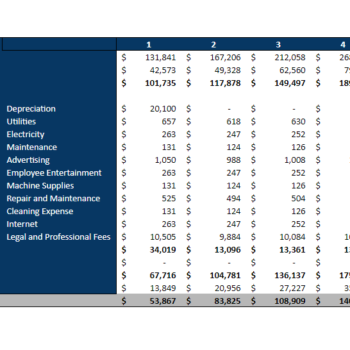
- Operating Expenses – Includes recurring costs such as rent, advertising, utilities, and supplier payments (accounts payable).
- Initial Costs – Accounts for store setup, furniture, IT systems, and first-time inventory stocking.
- Ongoing Expenses – Covers monthly recurring operational expenses required to run the store efficiently.
Profitability Analysis:
- Gross Margin – Measure the financial picture of the business’s profitability.
- Operating Expenses – Track the impact of fixed costs and rental expenses.
- Net Profit – Assess the return on investment and overall financial position.
Cash Flow Management:
- Working Capital – Plan for business operations and day-to-day expenses.
- Cash Burn Rate – Monitor cash movements and future cash inflows.
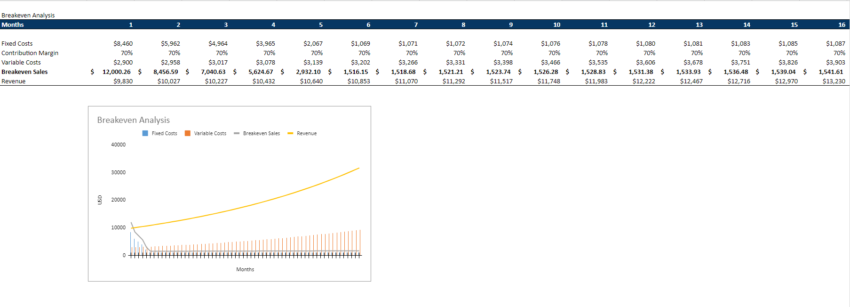
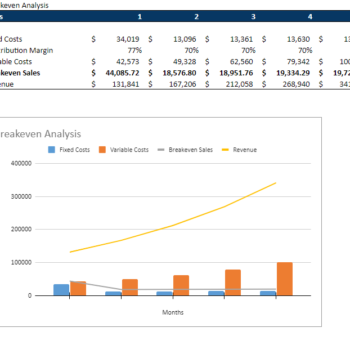
- Break-Even Analysis – Determine the sales potential needed to cover all costs.
Scenario Analysis:
- Sensitivity Analysis – Adjust variables like average price and sales volume to see the impact on financial projections.
- Market Conditions – Evaluate different business strategies to adapt to changes in demand.
Key Performance Indicators (KPIs):
- Operational Efficiency – Track essential tools and financial planning tools.
- Advertising Expenses – Measure the impact of marketing on sales.
Funding and Valuation:
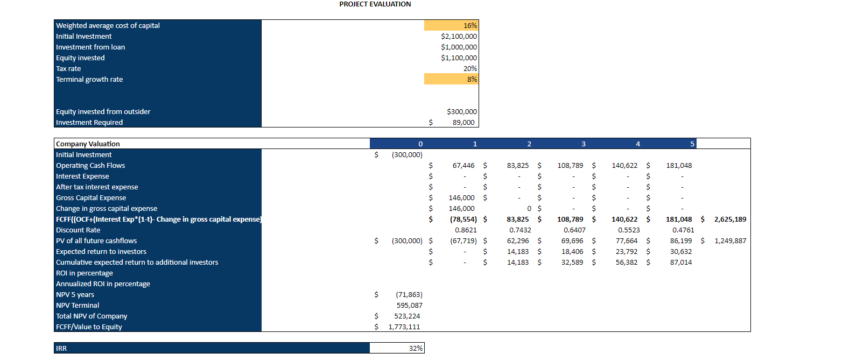
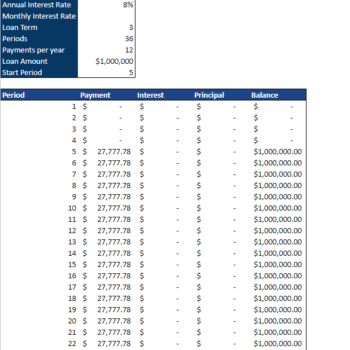
- Capital Requirements – Identify funding needs for business expansion.
- Valuation Metrics – Analyze financial statements to assess business growth.
Visual Dashboards:
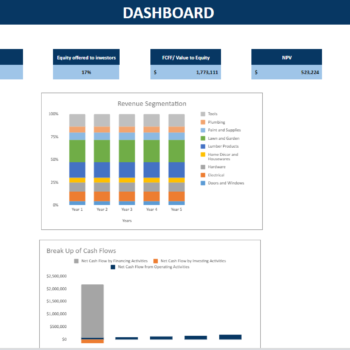
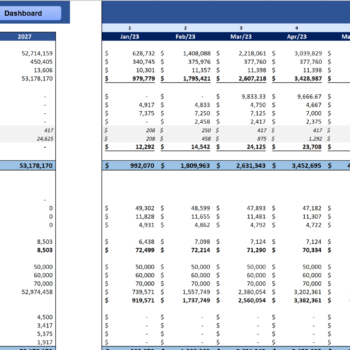
- Financial Analysis – Graphical representation of cash payments and accounts payable.
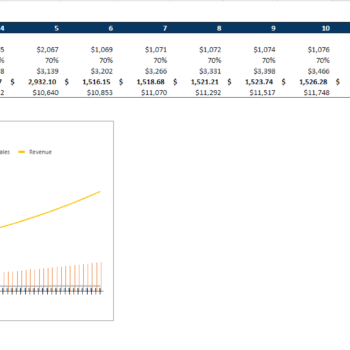
- Revenue Projections – Track revenue trends and future cash inflows.
FAQs
1. What does this financial model cover?
The model includes revenue forecasts, cost of goods sold (COGS), operating expenses, cash flow statements, profit & loss, and key financial metrics.
2. How is revenue projected in the model?
Revenue is calculated based on number of customers, average transaction value, number of products sold, and seasonal demand trends.
3. Can I add multiple product categories?
Yes, the model allows you to input and analyze performance for various product lines such as tools, building materials, electrical items, and plumbing supplies.
4. Are inventory and restocking costs included?
Yes, the model factors in inventory turnover, restocking frequency, and cost of maintaining inventory levels.
5. Is the model suitable for both new and existing hardware stores?
Yes, it is built to help startups assess feasibility and to support existing businesses with budgeting and performance analysis.
Terms of Use:
Oak Business Consultant and our range of products, including this financial model template, are not endorsed by or officially connected to any specific software or platform unless explicitly stated. Your purchase allows you a single license for personal or business use, exclusive to your individual or company needs. Redistribution, resale, or sharing of the files and templates is strictly prohibited. Please direct others to our shop if you find our financial model valuable and wish to recommend it.
Note:
Our product is a digital Excel file. Due to the nature of digital products, we cannot offer returns or exchanges. We encourage you to address any queries or seek clarification before finalizing your purchase.
Need More Help?
Email us at info@oakbusinessconsultant.com to get a customized Hardware Retail Store Excel Financial Model Projection Template.
Walk-Through Video of Hardware Retail Store Excel Financial Model
The following video will give you an overview of the different components of the financial model and will help you understand it works.
12 reviews for Hardware Retail Store Excel Financial Model
Add a review
You must be logged in to post a review.










Louis Gibson –
This model has streamlined our supply chain decisions with its accurate forecasting and detailed financial analysis. It’s a game-changer for operational efficiency.
Benjamin Collins –
Strategic planning requires solid data and forecasts. This model is the cornerstone of our strategy formulation, providing reliable and detailed financial insights.
Terry Lynch –
Monitoring and predicting cash flow is vital, and this tool makes it easier and more accurate. A definite asset to our financial toolkit.
Brett Crawford –
Expanding our business was made much more manageable with this model. It offers great projections and scenarios for growth planning.
Chad Stephens –
Understanding market trends and financial health is vital. This model offers that and more, with the ability to tailor to specific business needs.
Jerome Wallace –
I recommend this model to all my retail clients. It’s comprehensive, easy to use, and provides a clear path to financial health and growth.
Jeremy Olson –
Initiating a hardware store venture seemed daunting initially, yet this financial model has clarified and streamlined the fiscal elements. It has become an integral component of my business strategy.
Curtis Ellis –
In the realm of retail hardware financial analysis, this model stands unmatched. Its comprehensive insights and extensive customization features are especially noteworthy.
Raymond Campbell –
Managing stock has never been easier. This tool helps predict sales trends and optimize inventory levels, ensuring we’re always prepared.
Danny Webb –
In my role as a Business Consultant, I’ve introduced this model to numerous client businesses, yielding excellent outcomes each time. Its flexibility and robust financial structuring make it a reliable asset for any hardware store’s financial strategy.
Nathan Cox –
Running multiple locations can be chaotic, but this template brings order and accuracy to our financial planning. It’s a must-have for anyone in hardware retail.
Jack Sanchez –
As a Hardware Store Owner, This model has transformed the way I handle my store’s finances. The detailed projections and user-friendly interface make it indispensable. A solid 5-star rating from me!