SDG 16: Peace, Justice, and 1.6 Billion Children Facing Violence
SDG 16: peace, justice, and strong institutions, ten years in
Two in every three children on Earth regularly endure violent punishment at home. That is 1.6 billion children, according to the UN’s latest tracking data. It comes a decade after SDG 16 was adopted.
Conflict has gotten worse, not better. Casualties among children and women in armed conflict quadrupled between the 2021-2022 and 2023-2024 reporting periods. Over 117 million people were forcibly displaced worldwide as of mid-2025.
One human rights defender, journalist, or trade unionist is killed or disappeared every 10 hours. That rate has not slowed in a decade.
Some numbers have moved the right way. National human rights institutions have grown from 70 in 2015 to 89 today. Public access to information laws now cover 141 countries, up from 105.
This guide covers what SDG 16 actually commits the world to. It covers where the latest UN reporting shows progress standing, country by country. That ranges from nations with genuine institutional trust to nations where conflict has erased years of development in months. It also covers what businesses can realistically do about it.
What is SDG 16
SDG 16 is formally titled “Promote peaceful and inclusive societies for sustainable development, provide access to justice for all.” It also commits to building effective, accountable, and inclusive institutions at all levels. It is the sixteenth of the 17 Sustainable Development Goals. All 193 UN member states adopted it in 2015, as part of the 2030 Agenda.
SDG 16 sits in an unusual position among the 17 goals. It is not just one goal among many. The UN treats it as an enabler and accelerator of the entire 2030 Agenda. Weak institutions and ongoing conflict undermine progress on nearly every other goal.
The goal covers violence, justice, corruption, institutional trust, and legal identity in one framework. A country can hold elections and still deny half its population a real say in decisions. It can cut its homicide rate while eroding due process at the same time. SDG 16 tracks both the outcome and how a country got there.
The official targets and indicators behind SDG 16
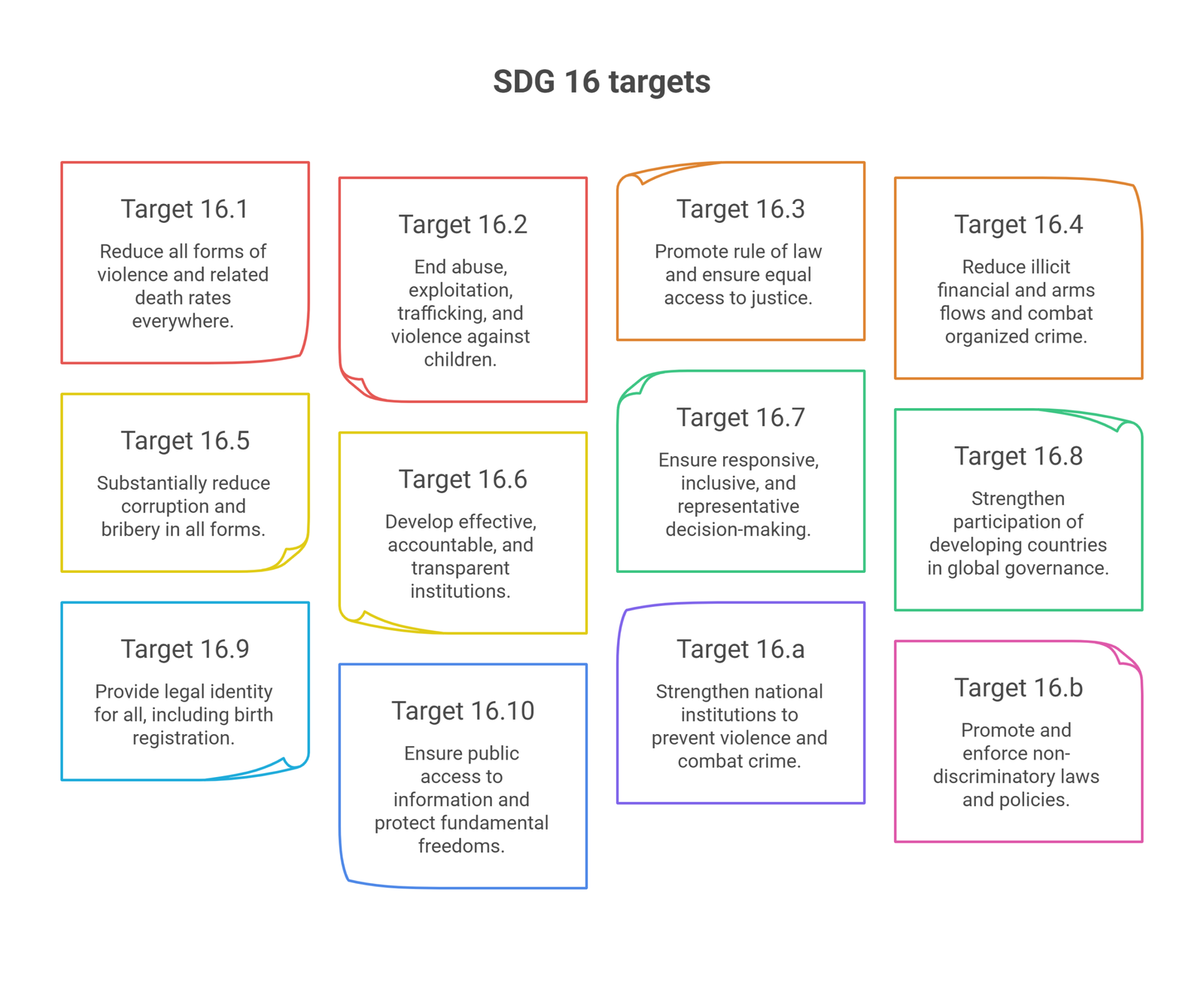
SDG 16 breaks down into 12 official targets. Ten are outcome targets, numbered 16.1 through 16.10. Two are means-of-implementation targets, numbered 16.a and 16.b.
Together they are tracked through 23 indicators, the most of any SDG. That is set out on the UN’s SDG 16 page.
Target 16.1: Significantly reduce all forms of violence and related death rates everywhere. Tracked through homicide rates, conflict-related deaths, and rates of physical and sexual violence. It also covers how safe people feel walking alone after dark.
Target 16.2: End abuse, exploitation, trafficking, and all forms of violence against and torture of children. Tracked through rates of physical punishment, human trafficking victims, and childhood sexual violence.
Target 16.3: Promote the rule of law nationally and internationally, and ensure equal access to justice for all. Tracked through how often victims report crimes, unsentenced detainee rates, and use of dispute resolution mechanisms.
Target 16.4: Significantly reduce illicit financial and arms flows, strengthen stolen asset recovery, and combat organized crime, by 2030. Tracked through the value of illicit financial flows and the tracing of illicit arms.
Target 16.5: Substantially reduce corruption and bribery in all their forms. Tracked through the share of people and businesses reporting bribery in contact with public officials.
Target 16.6: Develop effective, accountable, and transparent institutions at all levels. Tracked through budget reliability and public satisfaction with government services.
Target 16.7: Ensure responsive, inclusive, participatory, and representative decision-making at all levels. Tracked through representation in legislatures, public service, and the judiciary, and how inclusive people believe decisions are.
Target 16.8: Broaden and strengthen the participation of developing countries in institutions of global governance. Tracked through the share of votes and memberships developing countries hold internationally.
Target 16.9: Provide legal identity for all, including birth registration, by 2030. Tracked through the share of children under five whose births are registered.
Target 16.10: Ensure public access to information and protect fundamental freedoms, under national and international law. Tracked through killings and detentions of journalists and human rights defenders, and countries with access-to-information guarantees.
Target 16.a: Strengthen national institutions to prevent violence and combat terrorism and crime, including through international cooperation. Tracked through the existence of independent national human rights institutions meeting the Paris Principles.
Target 16.b: Promote and enforce non-discriminatory laws and policies for sustainable development. Tracked through the share of people reporting personal discrimination or harassment.
Where global progress actually stands
Not a single target under SDG 16 is fully on track, according to the UN’s latest assessment. More frequent and prolonged conflicts are actively erasing development progress that took years to build.
The global homicide rate fell to 5.1 victims per 100,000 people in 2024, down from 5.9 in 2015. Even at this pace, the rate will only drop 25% by 2030. That falls well short of the target’s implied 50% reduction, according to UN DESA’s Goal 16 tracker.
Conflict deaths tell a starker story. Civilian conflict-related deaths did fall 23% in 2025 to 37,163, breaking three straight years of increases. But one in five of those deaths was a child, and one in four was a woman. Western Asia and Northern Africa alone accounted for 65% of all recorded civilian deaths.
Violence against children remains staggeringly common. Globally, 1.6 billion children, two in three, regularly endure violent punishment by caregivers at home. In most of the nearly 90 lower- and middle-income countries with data, that rate exceeds 60%.
Corruption stays entrenched. The median share of people reporting a bribe paid or requested by a public official sat at about 17%. That figure draws on data from 139 countries.
Institutional trust is thin almost everywhere. Fewer than half of people globally believe they have a meaningful say in what their government does. In high-income regions, that figure drops to roughly one in three.
Representation gaps persist at the top. Men over 40 held 77% of parliamentary Speaker posts and 63% of committee chairs in 2025. The share of women Speakers actually declined, to 19.9%.
Threats to journalists and rights defenders keep climbing. At least 5,335 defenders have been killed since 2015, a 61% increase over the decade. Projected totals for 2025 alone are 743 killed and 202 disappeared.
Some indicators have genuinely improved. 141 UN member states now have statutory guarantees for access to information, up from 105 in 2015. National human rights institutions fully compliant with UN standards reached 89 countries, up from 70 a decade ago.
The table below sets out where the core indicators stood as of the most recent reporting.
| Indicator | 2015 baseline | Most recent figure |
| Global homicide rate (per 100,000 people) | 5.9 | 5.1 (2024) |
| Civilian conflict-related deaths (annual) | not comparably tracked | 37,163 (2025), down 23% from 2024 |
| Children experiencing violent discipline at home | not comparably tracked | 1.6 billion, two in three (latest) |
| People reporting bribery in contact with officials | not comparably tracked | roughly 17% (139 countries) |
| Countries with access-to-information guarantees | 105 | 141 (latest) |
| Countries with fully compliant human rights institutions | 70 | 89 (latest) |
| Human rights defenders killed since 2015 | baseline year | 5,335 cumulative, up 61% |
| People forcibly displaced worldwide | not comparably tracked | 117.3 million (mid-2025) |
Source: UN DESA, Goal 16 progress reporting; UNDP Global Progress Report on SDG 16 Indicators.
Countries ranked: from most peaceful to most struggling
SDG 16 spans peace, corruption, and institutional trust at once, so no single number captures it. The clearest comparison combines two established measures. That means the Global Peace Index and the Corruption Perceptions Index, the most established country-level scores in this space.
| Country | Standing | Notes |
| Iceland | Most peaceful country in the world | Holds the top Global Peace Index spot for 17 straight years |
| Denmark | Least corrupt public sector | Corruption Perceptions Index score of 89 out of 100 |
| Finland, Singapore, New Zealand, Norway | Cleanest institutions after Denmark | All score 81 or higher on the Corruption Perceptions Index |
| UAE | Very low crime, moderate peace ranking | CPI score of 69, but Global Peace Index rank near 52nd |
| El Salvador | Sharp improvement, but contested | Homicide rate near zero, alongside due process concerns |
| United States | Declining institutional trust | Corruption Perceptions Index score fell to a record-low 64 |
| Russia | Least peaceful country in the world | Displaced Afghanistan at the bottom for the first time in 2025 |
| South Sudan and Somalia | Most corrupt countries in the world | Both score 9 out of 100 on the Corruption Perceptions Index |
Iceland and the Nordic cluster

Iceland has topped the Global Peace Index for 17 consecutive years. Ireland, New Zealand, Austria, and Switzerland round out the current top five.
Denmark separately holds the top spot on the Corruption Perceptions Index, scoring 89 out of 100. Finland, Singapore, New Zealand, and Norway follow close behind, all scoring 81 or higher.
The pattern is consistent across both indexes. Low crime, strong social welfare, and transparent public institutions tend to move together. Eight of the world’s ten most peaceful countries sit in Western and Central Europe.
UAE
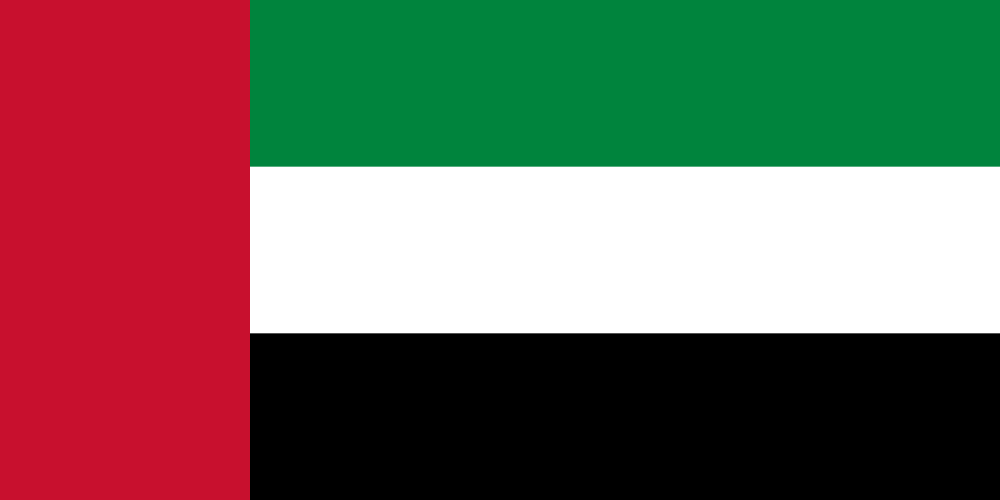
The UAE ranks below the Nordic cluster, but the reason is specific rather than general decline. Its day-to-day safety record is genuinely strong. Numbeo’s 2025 Safety Index ranked the UAE the safest country in the world, ahead of 147 other nations.
Its Corruption Perceptions Index score sits at 69, 21st out of 182 countries, well above the global average of 42. That places it comfortably in the upper third worldwide on institutional cleanliness.
The Global Peace Index tells a more complicated story. The UAE ranks only around 52nd globally on that measure. High militarization spending and regional tension in the Middle East pull the score down. Societal safety and crime stay low regardless.
The UAE shows that low crime and strong institutions do not automatically mean a top peace ranking. Regional geopolitics can weigh on a country’s score independent of its own domestic record.
El Salvador, and the trade-off nobody fully resolves
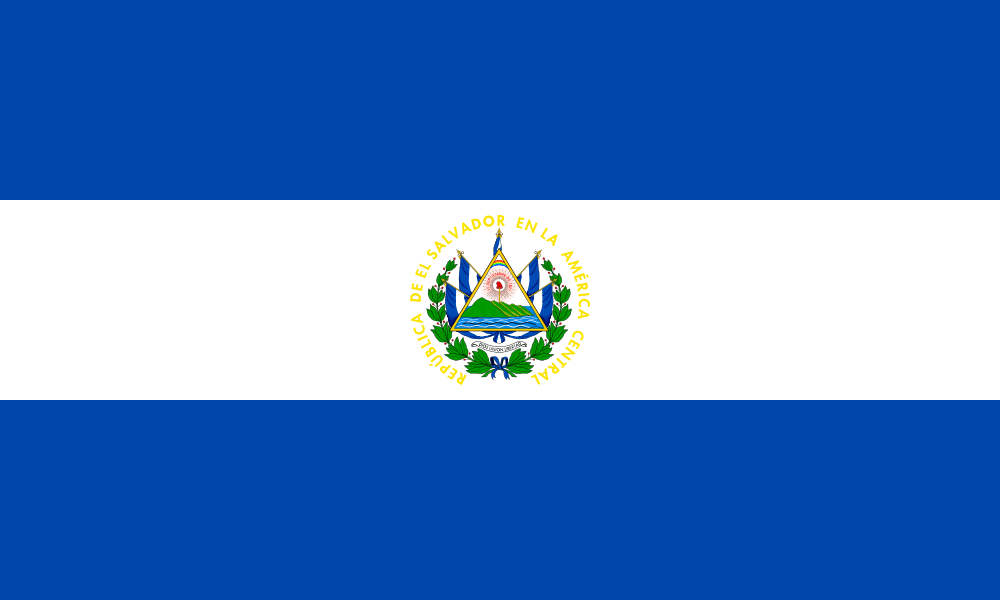
El Salvador recorded just 82 homicides in 2025, a rate of 1.3 per 100,000 people. That is down from 106.3 per 100,000 in 2015, when the country was labeled the world’s murder capital.
The turnaround followed a state of emergency declared in 2022, which suspended some constitutional protections. Security forces have arrested roughly 91,000 suspected gang members since then. About 8,000 were later released after review found no gang involvement.
Human rights groups have documented hundreds of deaths in custody and widespread arbitrary detention. That is precisely what Target 16.3 is meant to prevent. El Salvador shows how a country can succeed dramatically on Target 16.1. It can strain against 16.3 and 16.10 at the same time.
United States

The United States sits below El Salvador on this list, for a different reason. This is a fast, measurable decline rather than a single trade-off. Its Corruption Perceptions Index score fell to 64 in 2025, its lowest ever recorded, dropping it to 29th place worldwide.
That rank ties the US with the Bahamas, behind Lithuania, Barbados, and Uruguay. The score has fallen from 75 in 2015, a steady decade-long slide rather than a single bad year.
Transparency International specifically flagged the paused enforcement of the Foreign Corrupt Practices Act, America’s main law against foreign bribery. It also cited cuts to US support for overseas civil society groups working on anti-corruption efforts.
The US case is a reminder that institutional strength can erode gradually in a wealthy, stable democracy. A country does not need conflict or crisis to see its SDG 16 standing decline.
Russia, and a first-time low
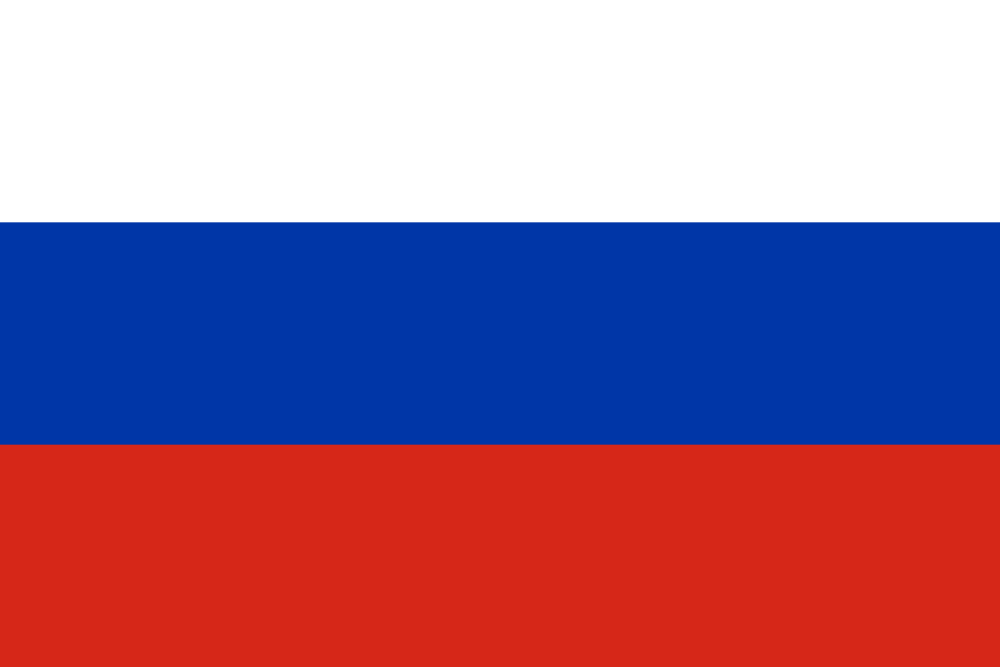
Russia became the world’s least peaceful country in 2025, the first time it has held that position. Ukraine, Sudan, the Democratic Republic of the Congo, and Yemen round out the bottom five.
Afghanistan had held the bottom spot for eight consecutive years before that. The shift reflects how quickly conflict can reorder this ranking, rather than any single country improving.
South Sudan and Somalia
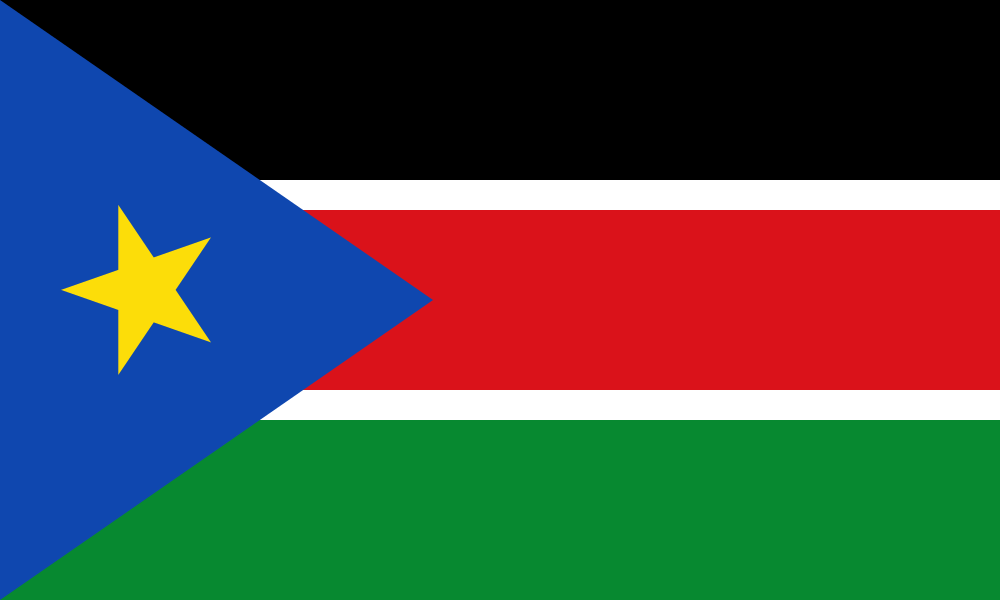
South Sudan and Somalia are tied for the world’s most corrupt public sectors. Each scores 9 out of 100 on the Corruption Perceptions Index. Venezuela, Yemen, Libya, and Eritrea follow close behind.
The pattern holds globally. The lowest-scoring countries are consistently war-torn or authoritarian states. Corruption, conflict, and weak institutions tend to reinforce each other rather than operate as separate problems.
What organizations and institutions are doing
Peace, justice, and institutional strength are tracked and supported through a mix of UN agencies and independent research bodies.
UNDP, UNODC, and OHCHR
These three UN bodies jointly produce the Global Progress Report on SDG 16 Indicators. It is the flagship data source for this goal. UNDP also runs country-level governance and rule-of-law programs through its Global Programme on Strengthening the Rule of Law.
Transparency International
Transparency International publishes the annual Corruption Perceptions Index, the primary benchmark for Target 16.5. It has tracked public sector corruption across roughly 180 countries since the 1990s.
The Institute for Economics and Peace
This think tank produces the Global Peace Index, the main data source for Target 16.1’s conflict and safety dimensions. It has published the index annually since 2007.
The UN Special Rapporteur and national human rights institutions
A network of national human rights institutions, tracked under Target 16.a, now spans 89 fully compliant countries. UN Special Rapporteurs cover specific issues, from freedom of expression to torture. They investigate and report on violations between formal review cycles.
How businesses can contribute to SDG 16
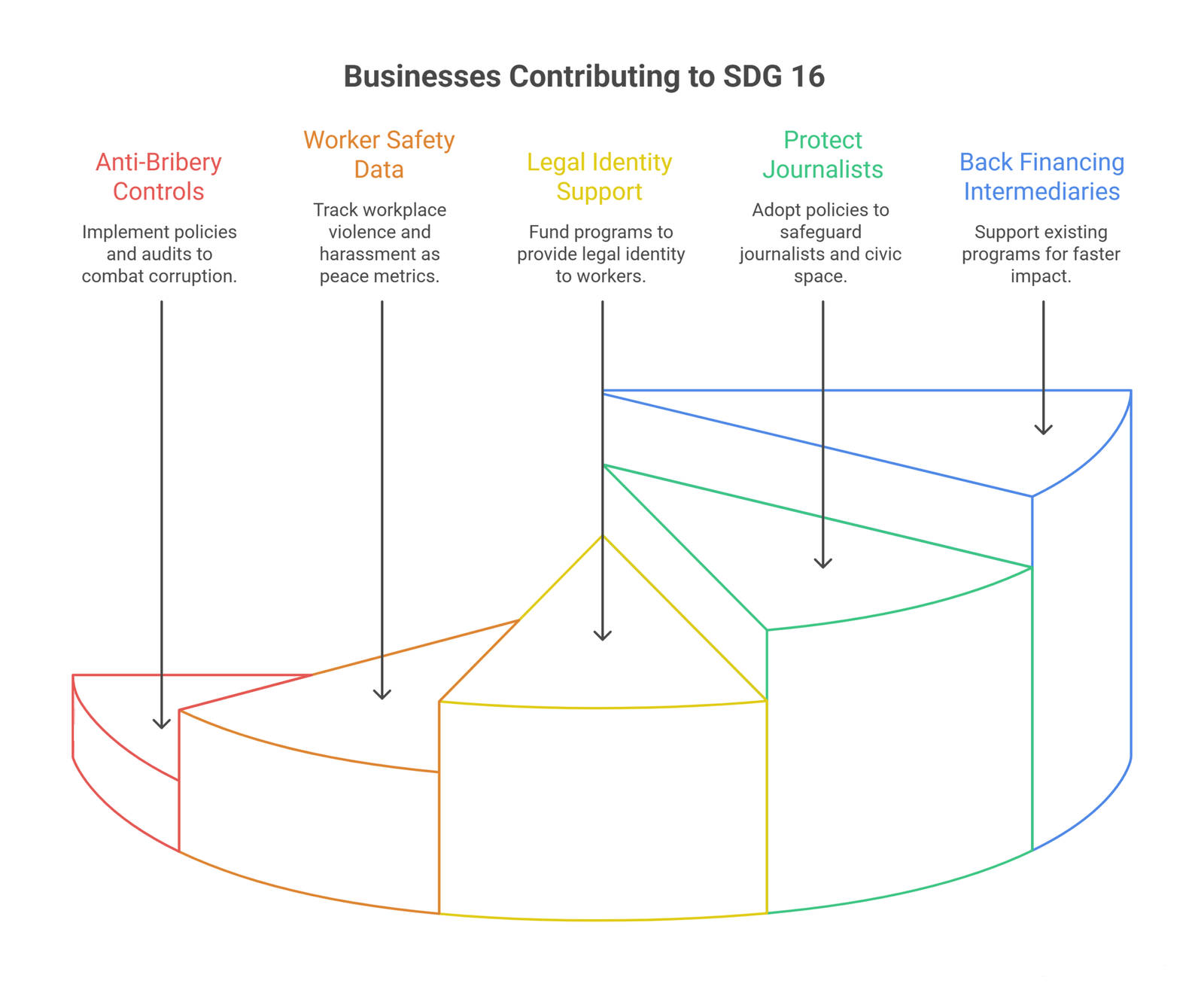
The same exercise applies here as it does for any SDG a company has no formal mandate on. Start with where operations touch corruption, safety, or rights, then look outward from there.
Build anti-bribery controls that match Target 16.5 directly
Companies operating in low-scoring Corruption Perceptions Index countries face real bribery exposure. A documented anti-bribery policy, tied to actual audit practice, is a direct response to Target 16.5.
Treat worker safety data as a peace and justice metric
Target 16.1 tracks violence broadly, not just conflict. Companies can extend that lens internally, tracking workplace violence and harassment reports the same way they track safety incidents.
Support access to legal identity in supply chains
Target 16.9 is about birth registration and legal identity. Companies sourcing labor in regions with weak civil registration can fund identity documentation programs. That often unlocks formal employment and banking access too.
Protect journalists and civic space where you operate
Target 16.10 tracks threats to journalists and human rights defenders directly. Companies operating in high-risk countries can adopt clear policies against retaliation toward local media and civil society partners.
Back financing intermediaries instead of building parallel infrastructure
UNDP’s rule-of-law programs and the national human rights institution network already exist as coordinated channels for this work. Adding capital to an established program usually reaches people faster. Building a standalone initiative from nothing rarely does.
Frequently Asked Questions
How many SDG 16 targets and indicators are there?
Twelve targets: ten outcome targets and two means-of-implementation targets. They are tracked through 23 indicators, more than any other SDG.
Is any country on track to meet SDG 16 by 2030?
No. The UN’s latest reporting states plainly that not a single target under SDG 16 is fully on track anywhere.
Which countries perform best on SDG 16?
Iceland has topped the Global Peace Index for 17 straight years. Denmark, Finland, Singapore, New Zealand, and Norway lead the Corruption Perceptions Index.
Which countries struggle most with SDG 16?
Russia became the least peaceful country in the world in 2025, alongside Ukraine, Sudan, the DRC, and Yemen. South Sudan and Somalia are tied as the most corrupt.
Why is El Salvador’s homicide drop controversial?
Its homicide rate fell to a record low through a state of emergency that suspended some constitutional rights. Human rights groups have documented arbitrary detention and deaths in custody alongside the safety gains.
Can a business without a formal peace and justice mandate still contribute to SDG 16?
Yes. The clearest levers are anti-bribery controls and treating workplace violence as a tracked safety metric. Supporting legal identity access in supply chains helps too, along with protecting local journalists and civil society partners.
Conclusion
The number worth sitting with is not the falling global homicide rate, encouraging as that is. It is that 1.6 billion children still endure violence at home. A rights defender is also killed or disappears every 10 hours.
Iceland and Denmark show what sustained institutional investment looks like over decades, not years. El Salvador shows how a real safety gain can coexist with a real rights cost. Neither fact cancels the other out. Russia’s sudden fall to the bottom of the peace index shows how fast a stable ranking can break down.
None of that gets fixed by data collection alone. Businesses have a narrower lever than governments and UN agencies, but a real one. That means building real anti-bribery controls, tracking violence as a safety metric, and protecting the people who report on both.
All of that holds up better with financial models built to survive scrutiny. Building a financial model around a rule-of-law program, a human rights nonprofit, or a supply chain integrity initiative? Oak’s nonprofit financial modeling services can help. Oak builds the numbers behind the mission.