5 Essential Market Research Books for Entrepreneurs Looking to Grow
5 Must-Read Market Research Books for Entrepreneurs
Most “market research books” lists lean heavily on consumer psychology and branding. Those books are interesting, but they skip the question an entrepreneur actually has: how do I find out if people want what I’m building before I spend money finding out the hard way. This list is built around that question. It moves from validating an idea, to running the research itself, to finding a market opening your competitors have missed, to turning what you learn into something you can act on.
Why books still earn a spot next to your tools
Software gives you data. Books give you judgment. A market research tool can tell you that search interest in your product category is rising. It won’t tell you which questions to ask a customer, how to read a segmentation you’ve built, or when a competitor’s weakness is actually an opening. That judgment comes from people who have done the work many times over and written down what they learned. These five books cover the parts of the process a dashboard can’t.
The Lean Startup by Eric Ries
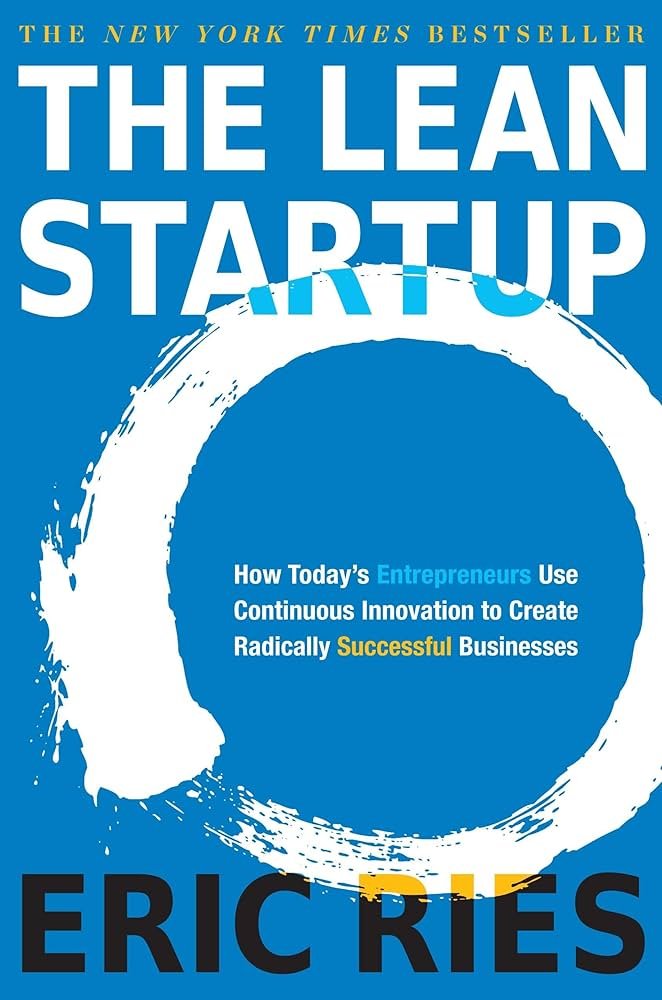
Most founders build first and validate later, if at all. Ries argues for the opposite order: test the riskiest assumption in your idea before you build anything real, using the smallest possible experiment.
The book introduces the build-measure-learn loop and the idea of a minimum viable product, terms that have become standard vocabulary in startup circles for a reason. What makes it useful for market research specifically is the focus on validated learning: Ries pushes founders to treat every assumption about their market as a hypothesis to test, not a fact to defend.
If you’re at the idea stage and trying to decide whether a concept is worth pursuing before it reaches a formal business plan, this is the book to start with. It won’t teach you survey design or segmentation. What it changes is how you think about what counts as evidence.
The Market Research Toolbox by Edward McQuarrie
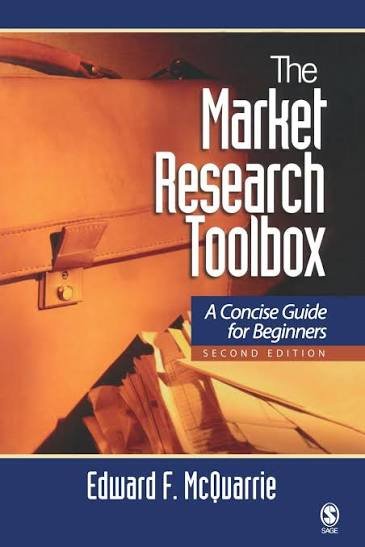
This is the book most consistently recommended across market research reading lists, and it earns the reputation. McQuarrie is a former market researcher who wrote a straightforward, practical primer: what market research can and can’t tell you, when to use qualitative methods versus quantitative ones, and how to avoid the common mistake of running research that confirms what you already believed.
The book doesn’t assume you have a research team or a budget for one. It’s aimed at people doing this themselves for the first time, which makes it a better fit for a solo founder than most academic marketing texts. Read it before you run your first customer interview or survey, not after.
Blue Ocean Strategy by W. Chan Kim and Renée Mauborgne
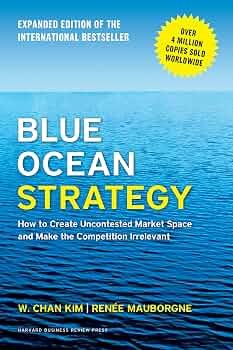
Blue Ocean Strategy asks a different question than most market research books: instead of “how do I understand this market,” it asks “should I be competing in this market at all.” Kim and Mauborgne lay out a method for finding uncontested space where your competitors’ strengths don’t matter, because you’re not fighting them on their terms.
This connects directly to competitive market analysis. The book gives you a framework, the strategy canvas, for mapping where every competitor in your category is investing effort and where none of them are. That gap is often where a new entrant has room to build something genuinely different rather than a slightly cheaper version of what already exists.
Buyer Personas by Adele Revella
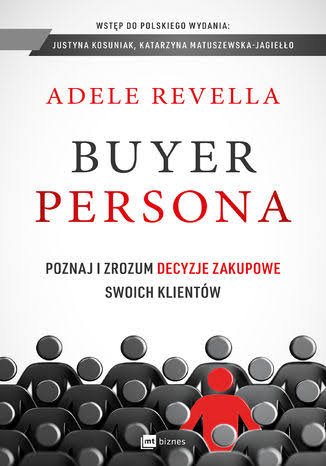
Once you have a real customer base or a defined target market, the next problem is understanding what actually drives their decisions, not just their demographics. Revella’s book focuses on this directly through what she calls the five rings of buying insight: the priorities, concerns, and triggers that shape a purchase decision.
The practical value here is in the interview approach. Revella walks through how to ask questions that surface the real reason someone bought (or didn’t buy) rather than the polite, surface-level answer most customers default to in a survey. For a founder trying to sharpen a pitch, a product description, or a marketing message, that distinction matters more than any demographic breakdown.
Storytelling with Data by Cole Nussbaumer Knaflic
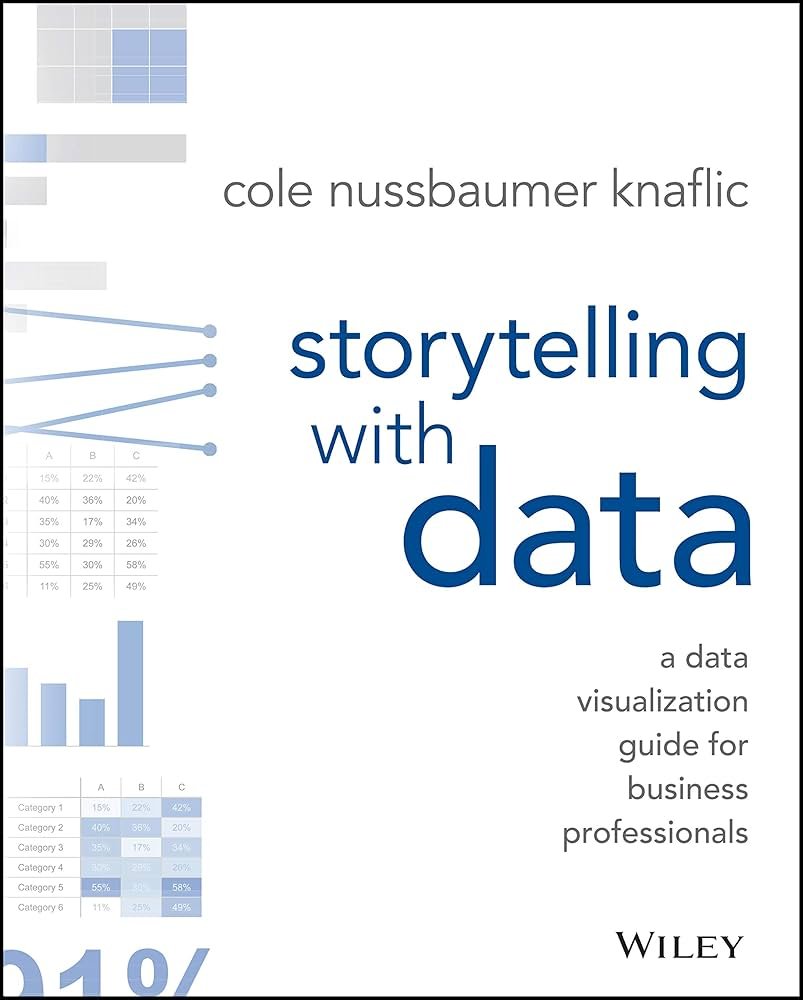
Research that never gets used is wasted effort. This book addresses the step most market research guides skip entirely: how to take what you’ve found and present it so a co-founder, investor, or team member understands it and acts on it.
Knaflic covers the basics of good data visualization, but the more useful part is the framework for building a narrative around a finding rather than just displaying a chart. If you’ve ever watched a room glaze over during a slide full of numbers, this is the book that fixes that. It’s a natural pairing with the earlier books on this list: they help you gather the insight, this one helps you land it.
Comparing these five books
| Book | Best for | Core skill you’ll gain |
| The Lean Startup | Validating an idea before you build | Testing assumptions cheaply |
| The Market Research Toolbox | Running your first research project | Choosing the right research method |
| Blue Ocean Strategy | Finding an opening competitors missed | Mapping competitive white space |
| Buyer Personas | Understanding why customers actually buy | Interviewing for real motivations |
| Storytelling with Data | Getting your findings acted on | Presenting insight, not just data |
Frequently Asked Questions
Do I need to read all five books before I start doing market research?
No. If you’re still deciding whether to pursue an idea, start with The Lean Startup. If you’re ready to run actual research, go to The Market Research Toolbox next. The other three are most useful once you have some early data or customers to work with.
Are these books a substitute for hiring a market research consultant?
Not for every situation. They’re excellent for building the judgment to run your own early-stage research and to ask better questions of any consultant you eventually work with. For research that needs to hold up in front of investors or inform a major pricing or expansion decision, professional support fills gaps a book can’t.
Which book is best for a founder with no market research background at all?
The Market Research Toolbox. It was written for exactly that reader and doesn’t assume prior training in statistics or research design.
How does Blue Ocean Strategy relate to market research if it’s really a strategy book?
Strategy and research feed each other. You can’t find uncontested market space without first understanding where your competitors are competing, which is a research question. The book’s strategy canvas is itself a research tool for mapping a competitive landscape.
Can these books help with a formal market research report for investors?
Buyer Personas and The Market Research Toolbox will improve the quality of the insight behind your report. Storytelling with Data will improve how that report actually reads once you’re presenting it. None of them will format the report for you. They’ll make the underlying work stronger before you ever open a slide template.
The common thread
There’s no required reading order here, but there is a common thread running through all five: every one of these books argues against acting on assumptions you haven’t tested. Pick the one that answers the question you’re actually stuck on right now, whether that’s whether to build the thing at all or how to make sense of customers you already have. Read it, then go run the interview or the experiment it points you to. The reading isn’t the research. It’s what makes the research worth doing.
If you’d rather skip straight to research built around your specific business, Oak’s market research service covers competitive positioning, customer insight, and demand validation as part of one engagement. Contact us to talk through what stage you’re at and what research would actually move the decision you’re trying to make.